

A routine trip to the gas station is becoming a more noticeable expense for many drivers. Prices that once felt manageable are climbing sharply, with some consumers seeing significant increases over a matter of days. According to AAA, the national average for a gallon of regular gasoline reached $3.925 on March 21 — nearly 35 cents higher than the week prior and the highest price seen since October 2023.
The primary driver is instability in global energy markets. Conflict in the Middle East has sent crude oil prices surging, tightening supply and pushing prices higher worldwide. Because oil is a globally traded commodity, even events occurring thousands of miles away directly influence what consumers pay at the pump. Crude oil has surpassed the $100 per barrel mark multiple times in recent days, a threshold that historically translates quickly into retail price increases.
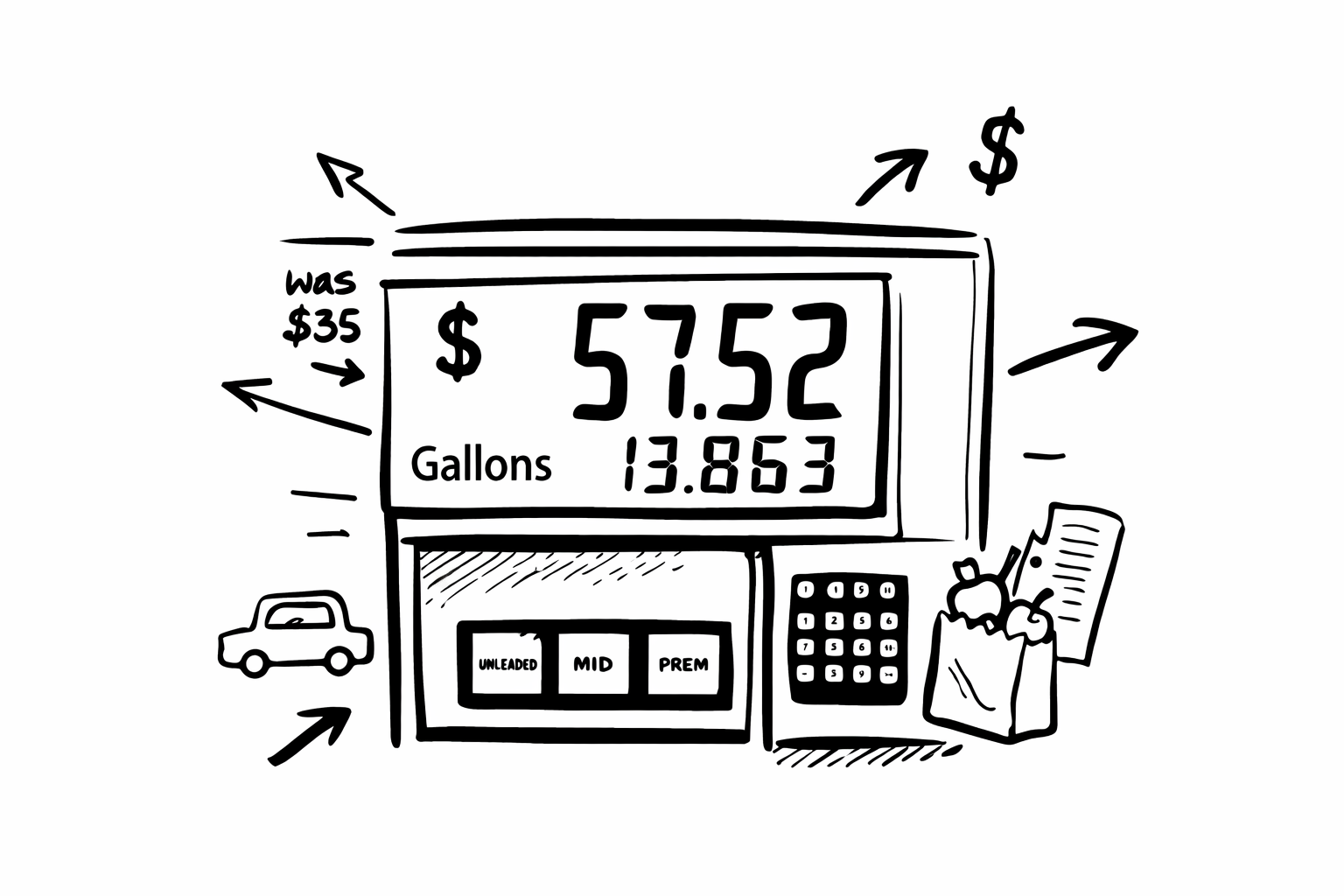
For one Houston-based consumer, the impact was immediate and personal. A fill-up that would typically cost around $35 for mid-grade fuel jumped to $57 — even with several gallons already in the tank. The difference was not abstract; it was felt in real time, in a routine moment that has become increasingly unpredictable. That experience is playing out across the country, with prices rising in every state and no region fully insulated from the pressure.
Domestic factors are compounding the problem. Seasonal demand is rising as spring travel picks up, refinery capacity remains constrained, and transportation costs continue to climb. When multiple pressures converge simultaneously, price increases can accelerate quickly. The U.S. has announced a release of 172 million barrels from its strategic reserves as part of a broader international effort to stabilize supply, but analysts warn the relief may be limited and temporary.
For consumers, the impact extends well beyond the pump. Transportation is embedded in nearly every part of the economy — from food distribution to retail logistics — and as fuel costs rise, those increases ripple outward into the prices of goods and services. With prediction markets placing significant odds on prices reaching $4.50 or higher by the end of March, the pressure on household budgets may have further to go before it eases.
WHY IT MATTERS
Rising gas prices are more than a temporary inconvenience—they are a visible reminder of how global forces shape daily life.
For individuals, higher fuel costs can strain monthly budgets and influence everyday decisions. A single fill-up—once routine—can become a moment of frustration, forcing people to rethink spending in other areas. What was once predictable becomes variable.
For businesses, increased transportation costs often lead to higher prices across goods and services. And over time, these increases compound, contributing to broader inflationary pressure.
More broadly, these shifts affect how people feel about the economy. When essential costs rise, it creates a sense of instability—where even small, routine expenses carry more weight.
In that way, a single moment at the pump reflects something larger: the connection between global events, economic systems, and the realities of everyday life.