
Part of Culture in Motion — examining who defines culture, how it moves, and what it reveals about the moment.
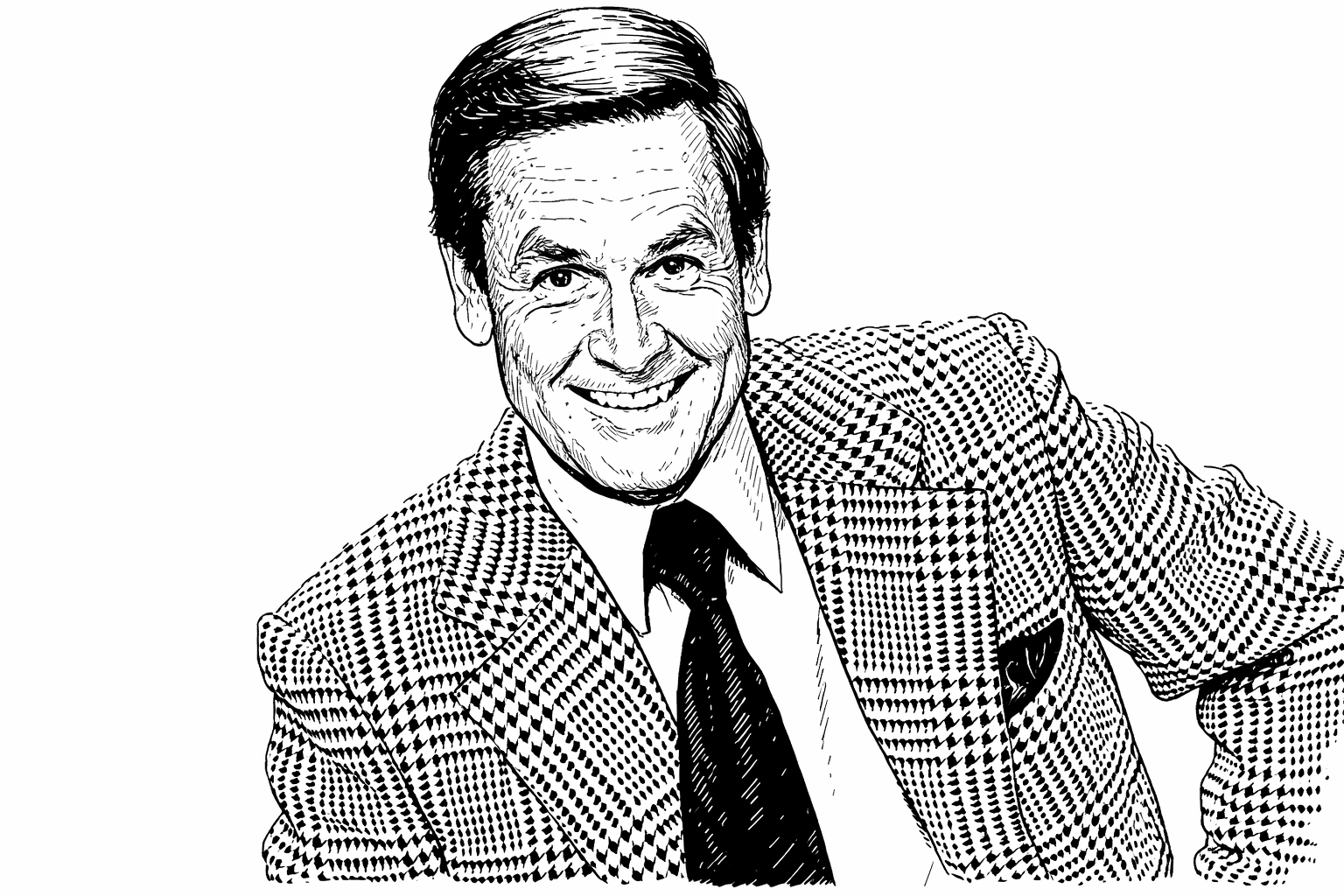
For thirty-five years, Bob Barker hosted one of the most watched programs in American television history. The Price Is Right was not just a game show. It was a daily ritual — reliable, familiar, built around a host whose warmth felt genuine and whose closing catchphrase about spaying and neutering pets made him a cultural fixture beyond the studio. He was beloved. He was trusted. He was, by any conventional measure of the word, safe.
That image is now being examined from the inside.
E!’s Dirty Rotten Scandals premiered March 18, 2026, with two episodes focused on The Price Is Right, drawing from original reporting by journalist David Kushner and featuring on-camera interviews with former models and staff who describe what they allege was a pervasive culture of harassment, discrimination, and retaliation during Barker’s 35-year tenure. The women speaking are not anonymous sources or secondhand accounts. They are named, documented, and in several cases legally on record.
Claudia Jordan alleges that Black contestants were quietly capped at two per taping, and that production staff marked contestant cards with a “B” so Barker would know who was about to appear. She describes being reduced to racial tropes by producers — told to handle prizes with what they called “Black connotations,” positioned on set in ways that reflected how the production saw her rather than how she saw herself. Kathleen Bradley, the show’s first full-time Black model beginning in 1990, recalls what she describes as a hostile environment — fans writing negative things about her presence on the show, and racial slurs used by staff in production meetings when the models were not present. Both women describe a work environment marked by unequal pay, retaliation, and discrimination — and both say their participation in the docuseries is about accountability and encouraging others to speak out.
The legal record behind these allegations is not thin. Holly Hallstrom’s story is the most legally documented of any in the documentary. In 1994, fellow model Dian Parkinson filed an $8 million sexual harassment lawsuit against Barker, alleging he coerced her into sexual activity by threatening her job. Barker denied the allegations. Parkinson later dropped the suit. When the lawsuit was filed, Hallstrom says, Barker asked the models to publicly support him. The pressure to perform loyalty in public — to smile and stand with the host while privately navigating what they describe as retaliation — is one of the structural patterns the documentary documents most clearly. Claudia Jordan later filed suit against a former producer for racial discrimination, hostile work environment, and wrongful termination.
The pushback has arrived alongside the allegations, as it always does. Roger Dobkowitz, a producer who spent 36 years on the show, posted a lengthy statement calling the documentary an “obvious hit piece” and invoking the argument that has hovered around the story since it premiered: the accused is dead, and dead people cannot defend themselves. That argument deserves to be heard and also examined carefully. It is true that Barker died in 2023 and cannot respond. It is also true that the women making these claims are alive, that their accounts span decades of employment, that some of them went to court, and that the inability to cross-examine the accused has never historically been treated as sufficient reason to dismiss accusations made by Black women about powerful white men in entertainment.
What the Dobkowitz defense reveals, perhaps unintentionally, is something about how television power was structured in that era. Thirty-six years on the same set. A producer who describes the environment as the “envy of other shows.” Staff who rarely quit. An ecosystem so stable and self-contained that stability itself became evidence of health. That stability is worth questioning — because systems that function smoothly for the people at the top can simultaneously grind on the people below them. The two things are not mutually exclusive. They are often the same system operating as designed.
This is the architecture the docuseries is actually examining. Not whether Bob Barker was charming — he was. Not whether the show was beloved — it was. But whether the warmth on camera was functioning as cover for something more controlled off it. A viral clip circulated during the documentary’s premiere appears to show Barker pulling away as a Black contestant approaches him for a hug on camera. His supporters have disputed the framing. The context remains contested. That contestation is itself instructive — because the clip is ambiguous in the way that systemic behavior is often ambiguous. Individual moments can be explained. Patterns are harder to dismiss. And the pattern being described by multiple women, across multiple decades, with legal documentation attached to portions of it, is not easily reduced to misremembering or grievance.
As SSC has documented in What Happened to R&B Music, the entertainment industry’s relationship to Black talent has consistently followed a specific pattern: Black presence is leveraged as cultural credibility and audience draw, while the terms of that presence — compensation, working conditions, creative control, and recourse — are set by the infrastructure surrounding it. Black Twitter Was Infrastructure examined how that dynamic operates even in spaces Black people built themselves. The Price Is Right is an older and more direct version of the same architecture: Black women brought in to diversify the visible product of a show, while the system governing their experience remained entirely outside their reach. Kathleen Bradley made history as the first full-time Black model on the show. She also allegedly walked into a set where racial slurs were used in meetings she was not invited to attend. Both of those things happened. The history and the hostility were not separate experiences. They were the same job.
Why This Matters
Bob Barker is gone. The show went on without him and continues today. But the women who worked inside that system for decades are still here, and what they are describing — the coded contestant cards, the positioning on set, the retaliation for speaking, the loyalty tests dressed up as professional obligations — is not a story about one man’s character. It is a story about how a system sustains itself when the people most harmed by it feel they cannot challenge it without losing the thing they worked to build. That story did not end in 2007 when Barker retired. It is being told now, and the fact that it took this long is part of the story too. The question is not whether the image was real. The question is what the image was protecting — and for whom.