
NEWS DESK | SOCIAL STORYTELLERS COLLECTIVE
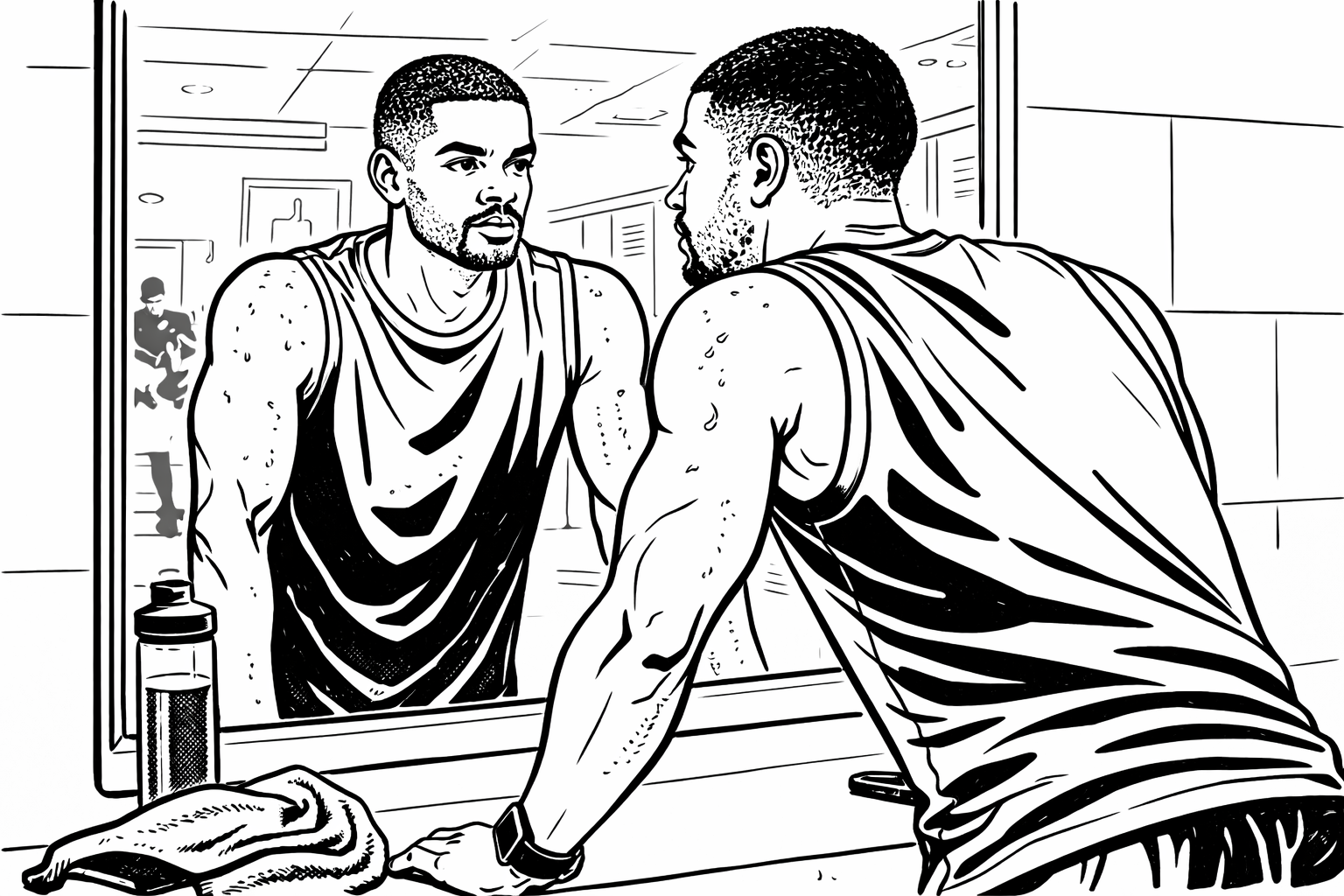
In a recent analysis, Social Storytellers Collective examined how red-pill ideology and trends like “looksmaxxing” have reshaped online conversations about masculinity and dating. Central to that conversation is a label that appears constantly across internet debates: the “beta male.” In many online spaces associated with the manosphere, men who are perceived as deferential, overly accommodating, or supportive of modern feminist norms are often dismissed with that term. But behind the insult sits something larger than a cultural argument. It has become the starting point for a digital industry built around redefining masculinity.
The manosphere—an umbrella term for online communities focused on male identity, dating strategy, and hierarchy—often frames relationships through a simplified ranking system. Men are encouraged to pursue “alpha” status through confidence, discipline, financial success, and physical appearance, while “beta” is used to describe men perceived as lacking those traits. The framework reduces complex human relationships into competitive hierarchies, but it also creates a powerful narrative: if you have been labeled “beta,” there is a system that promises to teach you how to escape that category.
Across YouTube, podcasts, and social media platforms, a growing ecosystem of influencers has built audiences around that promise. Personalities associated with the manosphere discuss dating strategy, masculinity, and social status while directing viewers toward paid communities, coaching programs, and self-improvement courses. In many cases, the content functions as both ideology and marketing funnel—diagnosing a perceived problem and then offering a pathway to transformation.
Controversy also plays a role in the expansion of this ecosystem. Provocative clips spread quickly online, attracting criticism as well as curiosity. The resulting engagement fuels recommendation algorithms that amplify the content further, drawing new viewers into the conversation. Once inside the ecosystem, audiences often encounter a broader marketplace of books, courses, private membership groups, and personal development programs built around the same themes.
The appeal of these platforms reflects broader shifts in the dating landscape. Many young men report confusion about evolving gender expectations, changing social norms, and the growing influence of dating apps on how relationships begin. In that environment, the language of “alpha” and “beta” can offer a simplified explanation for complex cultural changes, framing romantic success as something that can be engineered through discipline, status, and strategic self-improvement.
Supporters of gender equality also point out that the “beta” label rests on a narrow definition of masculinity that many people no longer accept. Research from Harvard’s Making Caring Common project has found that a large majority of young adults say equality, respect, and emotional support are essential qualities in healthy relationships. In that context, supporting women’s autonomy or feminist principles is increasingly viewed by many younger men not as weakness, but as a normal part of partnership in modern relationships.
Psychologists have also questioned rigid dominance-based hierarchies often promoted in online masculinity debates. The American Psychological Association suggests that strict adherence to traditional dominance norms can be associated with emotional suppression and difficulty forming healthy interpersonal relationships. The findings point to a more complex reality than the simple alpha-versus-beta framework often promoted in internet discourse.
The manosphere today functions not only as an ideological movement but also as a business model—one that transforms identity debates, insecurity, and cultural conflict into attention, influence, and revenue. As discussions about masculinity and relationships continue to evolve online, the growth of this ecosystem illustrates how internet culture increasingly turns social anxiety into both content and commerce.
Editor’s Note:
This analysis connects to our latest piece, Inside the Manosphere, which examines how these same ideas are now reaching mainstream audiences through film and streaming platforms—highlighting how digital conversations around masculinity are evolving into broader cultural narratives.