
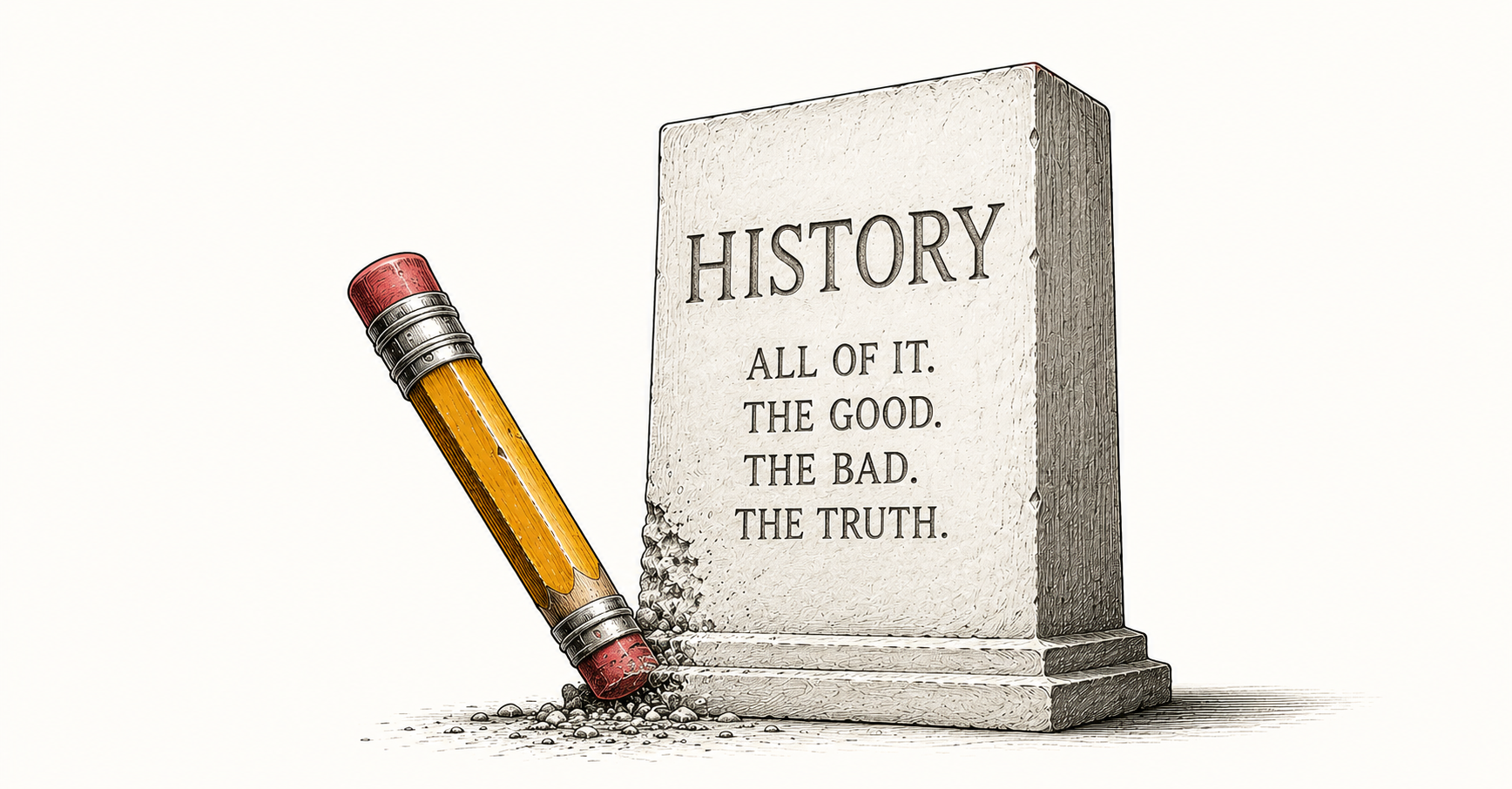
The Trump administration asked national park visitors to help identify history it did not like. Visitors responded—but not the way the administration expected.
In March 2025, an executive order directed the rewriting and sanitization of American history and science at national parks. Interior Secretary Doug Burgum followed with Secretarial Order 3431 on May 20, instructing superintendents to solicit visitor feedback on exhibits deemed “negative” or “unpatriotic” toward American figures or that failed to emphasize the nation’s grandeur. Visitors could flag concerning content through posted signs and QR codes. The administration presented the effort as a way to restore historical accuracy. But by collecting comments through an official federal process, it also created a public record of whatever visitors chose to say.
The Associated Press analyzed 35,000 public comments submitted during the second half of 2025 and later released through a lawsuit. The overwhelming majority did not identify exhibits as anti-American. Instead, they criticized the policy itself. One visitor to a North Carolina park called the effort “un-American.” Another objected to “having Americans call in and snitch on each other.” A visitor to Theodore Roosevelt National Park in North Dakota wrote directly: “Hey Donald Trump! Trying to erase history doesn’t mean it didn’t still happen.”
What was intended to demonstrate public support instead became documentation of public opposition.
The policy had already produced tangible consequences. At Lowell National Historical Park in Massachusetts, Park Service officials stopped showing two films on labor history while reviewing them for compliance with the Interior Secretary’s order. At the President’s House Site in Independence National Historical Park in Philadelphia, officials removed an exhibit about Ona Judge—a talented seamstress who escaped enslavement from George Washington’s household and successfully evaded recapture. On February 16, 2026, a federal judge ruled that removing the exhibit likely violated the law and barred the Interior Department from removing or modifying it without Philadelphia’s agreement or further court approval. The exhibit returned three days later.
The irony is difficult to ignore. A process created to identify objectionable history instead generated tens of thousands of written objections to the policy itself. Rather than validating historical revision, the public comment system became a record of resistance to it—one that now exists as part of the broader legal and public debate surrounding the administration’s actions.
Governments can attempt to reshape how history is presented. They have a harder time controlling the public record created when thousands of people respond in their own words. In this case, the very process designed to strengthen the policy ended up preserving evidence of opposition to it.
— SSC News Desk | Social Storytellers Collective
Get SSC analysis delivered to your inbox every day. Subscribe free on Beehiiv: socialstorytellerscollective.beehiiv.com