
Part of Culture in Motion — examining who defines culture, how it’s monetized, and who ultimately benefits
David Foster didn’t set out to make a broader point about the industry. He was explaining a deal. In doing so, he exposed one of the most consequential structures in modern music—and why so many artists, particularly Black artists working with samples, have found themselves on the losing end of it.
In a recent interview, Foster described how Kanye West ended up with no publishing on “Through the Wire,” a defining song from his early career. The track relied on a pitched-up sample of Chaka Khan’s “Through the Fire,” which required clearance from the original rights holders. Those rights didn’t just belong to the performer. They belonged to the songwriters, including Foster, who controlled the composition. That distinction is everything.
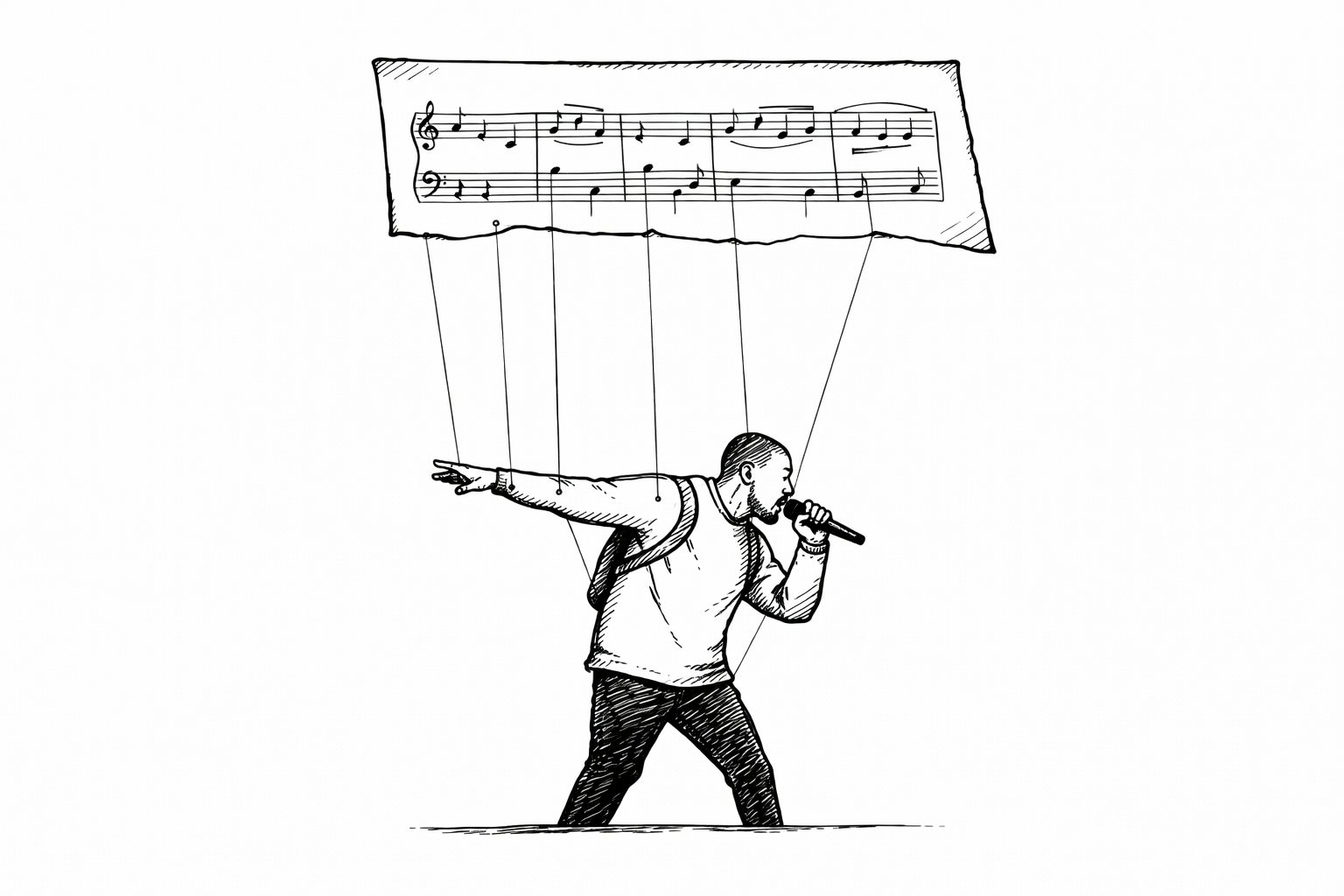
In music, there are two separate assets: the recording and the publishing. An artist can reshape a song, reinterpret it, and make it culturally significant, but if the underlying composition belongs to someone else, so does the economic leverage. In this case, Kanye’s breakout record—the song that introduced him to a mainstream audience—generated no publishing income for him. That outcome isn’t unusual. It reflects how the system is designed.
Sampling has long been one of hip-hop’s most powerful creative tools, allowing artists to build something new from what came before. But it also creates dependency. Every sample requires negotiation, and every negotiation comes with a cost. Sometimes that cost is ownership itself. Hip-hop has been built within this tension—a genre rooted in Black creativity, operating inside a rights structure that predates it and was never built with it in mind.
What Foster ultimately describes is not just a deal, but a hierarchy. Songwriters who control the original composition sit at the top, while everyone else works within that framework. Even when artists reshape the sound, define the moment, and move the culture forward, the economics remain tied to who owns the original work.
That hierarchy is becoming harder to ignore. Today’s artists are more fluent in publishing splits, masters, and licensing than any generation before them, and conversations about ownership have moved into public view, amplified by figures like Taylor Swift and Rihanna. Still, moments like this cut through the noise. They make clear that even the most iconic songs can be built on structures that limit who benefits from them. Kanye didn’t lose publishing on “Through the Wire” by accident. He gave it up to get the record cleared, and in that trade, the logic of the entire industry comes into focus.
Why This Matters
This isn’t just about one song. It’s about how value moves.
Ownership is the difference between participating in culture and profiting from it. You can define a moment, shape a genre, and still not control the economics behind it. That gap is where a lot of artists — disproportionately Black and Brown artists who built their sound on sampling — find themselves: visible, influential, but structurally limited in ways their white counterparts in composition and publishing often are not.
Sampling makes that gap more pronounced. It opens creative doors but often closes financial ones. The more an artist relies on existing compositions, the more economic leverage shifts back to the original rights holders — who, historically, have not looked like the artists doing the sampling.
In today’s industry, creativity can travel faster than ownership. But ownership is still what determines who gets paid.