Ghana has rejected a proposed U.S. health aid agreement after raising concerns about access to sensitive personal data, according to reporting on the negotiations. The decision interrupts what would have been a multi-year partnership and signals a shift in how countries are evaluating the terms attached to international support. The disagreement centers not on funding levels, but on who controls the information generated through healthcare systems.
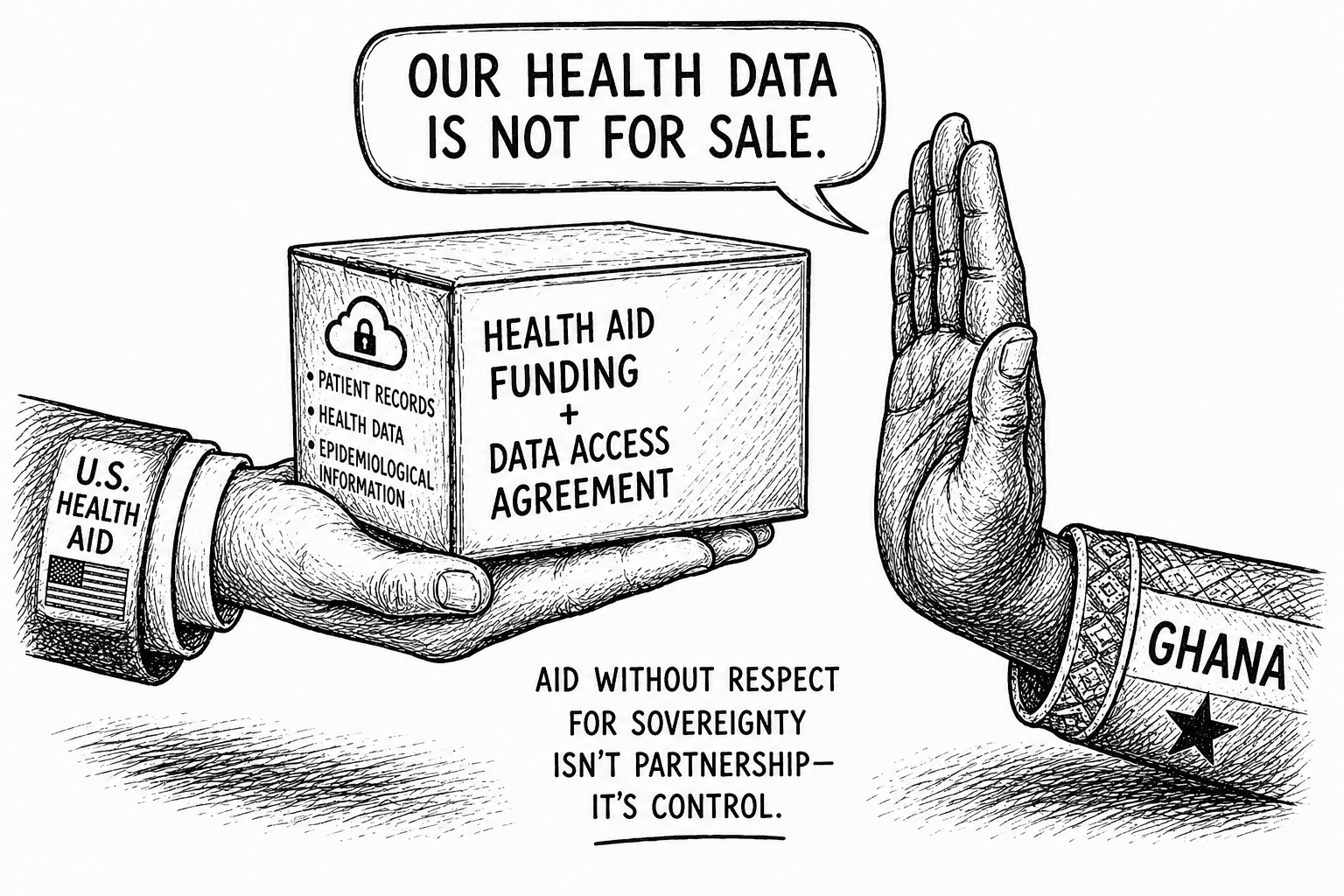
The context reflects broader changes in global health and technology. Modern healthcare systems generate vast amounts of data, from patient records to epidemiological tracking, and that data has become a valuable asset. For donor countries, access to this information can support research, policy development, and technological advancement. For recipient countries, it raises questions about sovereignty, privacy, and long-term control.
This is where the structure of aid begins to change. Traditional models focused on resource transfer—funding, equipment, personnel—but increasingly include data-sharing provisions that extend influence beyond immediate outcomes. Ghana’s decision suggests a recalibration, where access to funding is weighed against the potential loss of control over critical information. The negotiation is no longer just about support, but about terms of engagement.
There is a clear incentive misalignment at play. Donor countries seek to maximize the value of their investments, including through data access, while recipient countries are increasingly aware of the strategic importance of that data. The result is a tension that can stall or reshape agreements, particularly as countries in Africa and other regions assert greater control over their digital infrastructure.
The implications extend beyond a single agreement. If more countries adopt similar positions, it could alter the landscape of global health partnerships, introducing new standards for data governance. This would affect not only bilateral agreements, but also multilateral initiatives and international organizations that rely on shared data to operate effectively.
Historically, control over physical resources defined power in international relations. The current moment suggests a shift toward informational resources, where data becomes a key site of negotiation. This transition parallels developments in other sectors, where digital assets are increasingly central to economic and political influence.
The broader pattern is a redefinition of what constitutes leverage. Access to funding is no longer sufficient to secure agreement if it comes with conditions that extend control beyond the immediate scope of aid. Ghana’s decision reflects a growing recognition that sovereignty includes not just territory and policy, but data, and that control over information is becoming a central component of global power.