
Happy Friday.
Tim Cook stepping down as CEO of Apple after fifteen years is the headline. The choice of who replaces him is the signal.
Apple did not select an AI leader, a services executive, or a strategist to define its next chapter. It chose a hardware engineer. At the same time, it elevated a leader whose public position on diversity, equity, and inclusion — a defining part of Apple’s external identity under Cook — is largely undefined. That combination matters. In a moment where both technological direction and corporate values are being actively renegotiated, what is clear and what is left unsaid carry equal weight.
That same tension — between what is expanding and what remains uncertain — showed up across everything this week.
Work is being redefined as data even as jobs are cut. Cities are growing while governance struggles to keep pace with who that growth includes. Cultural visibility is increasing while ownership becomes harder to trace. Markets are scaling revenue while narrowing participation. Institutions are making forward-looking bets while leaving key questions unresolved.
Nothing here is breaking. The systems are holding. But the terms inside them are shifting.
What connects this week’s stories is not disruption, but redefinition — of who growth is for, who systems are designed to serve, and who is left navigating the gap between what is promised and what is delivered.
What follows are the stories that stayed with us — not just for what happened, but for what they reveal about how the moment is actually being reorganized.
Where leadership signals both direction and uncertainty
Apple Has a New CEO. The Choice of Who Comes Next Tells You More Than the Departure.
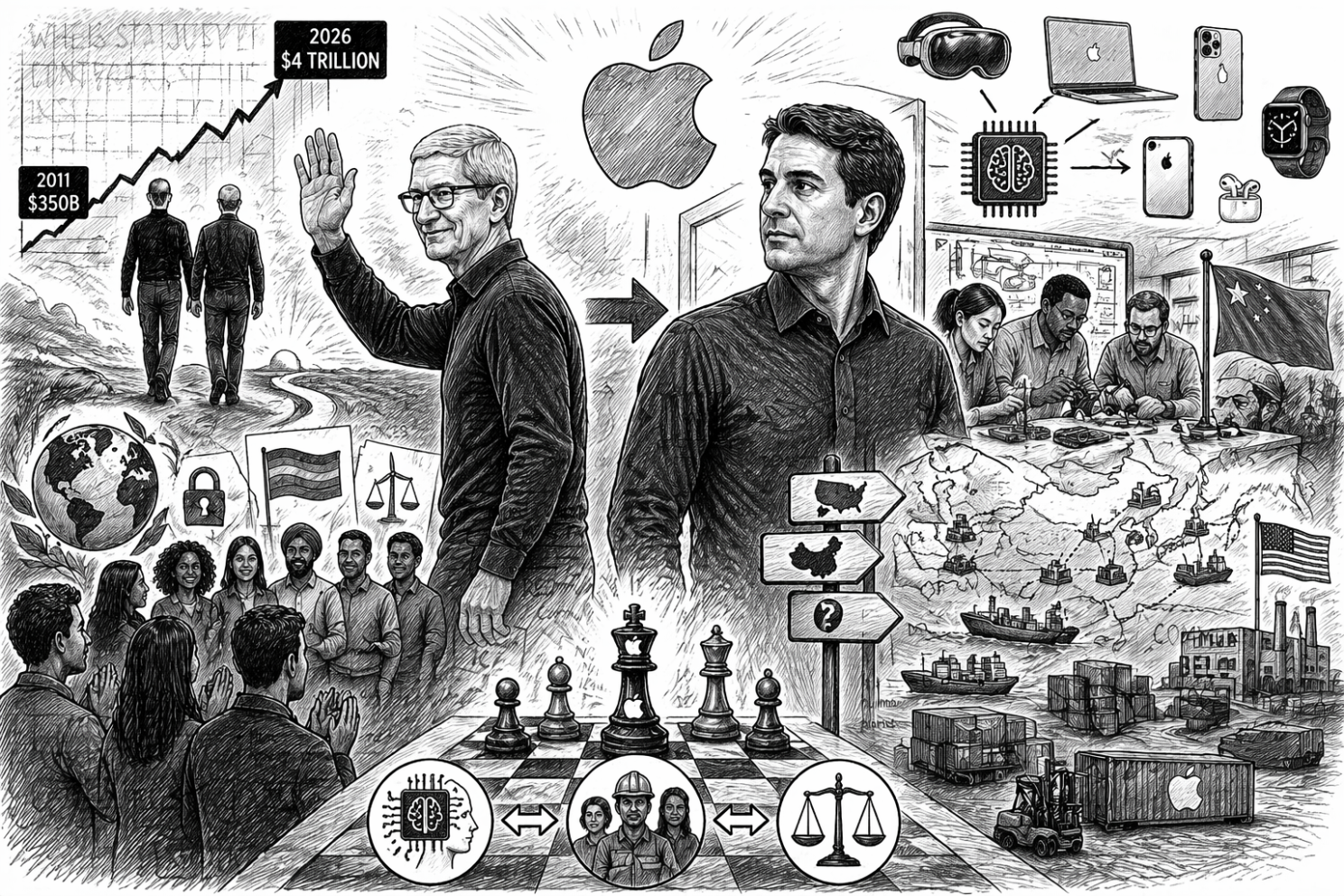
Tim Cook’s departure from Apple is expected. The elevation of John Ternus is the argument. Choosing a hardware engineering leader in an AI-defined moment signals that Apple intends to differentiate not by leading the AI race, but by controlling how it is embedded into products.
While competitors are organizing around AI as infrastructure, Apple is positioning it as a feature delivered through tightly integrated systems. That strategy prioritizes execution and ecosystem control over speed and experimentation. It is a bet that integration can outperform acceleration in a market being reshaped by both.
At the same time, Cook’s visibility on privacy, climate, and DEI shaped Apple’s identity beyond the product. Ternus’s public record on those issues remains largely undefined. The question is not just what Apple builds next, but what it chooses to stand for.
Where labor is being redefined in real time
Work Is Becoming Data — Even As It Becomes More Replaceable
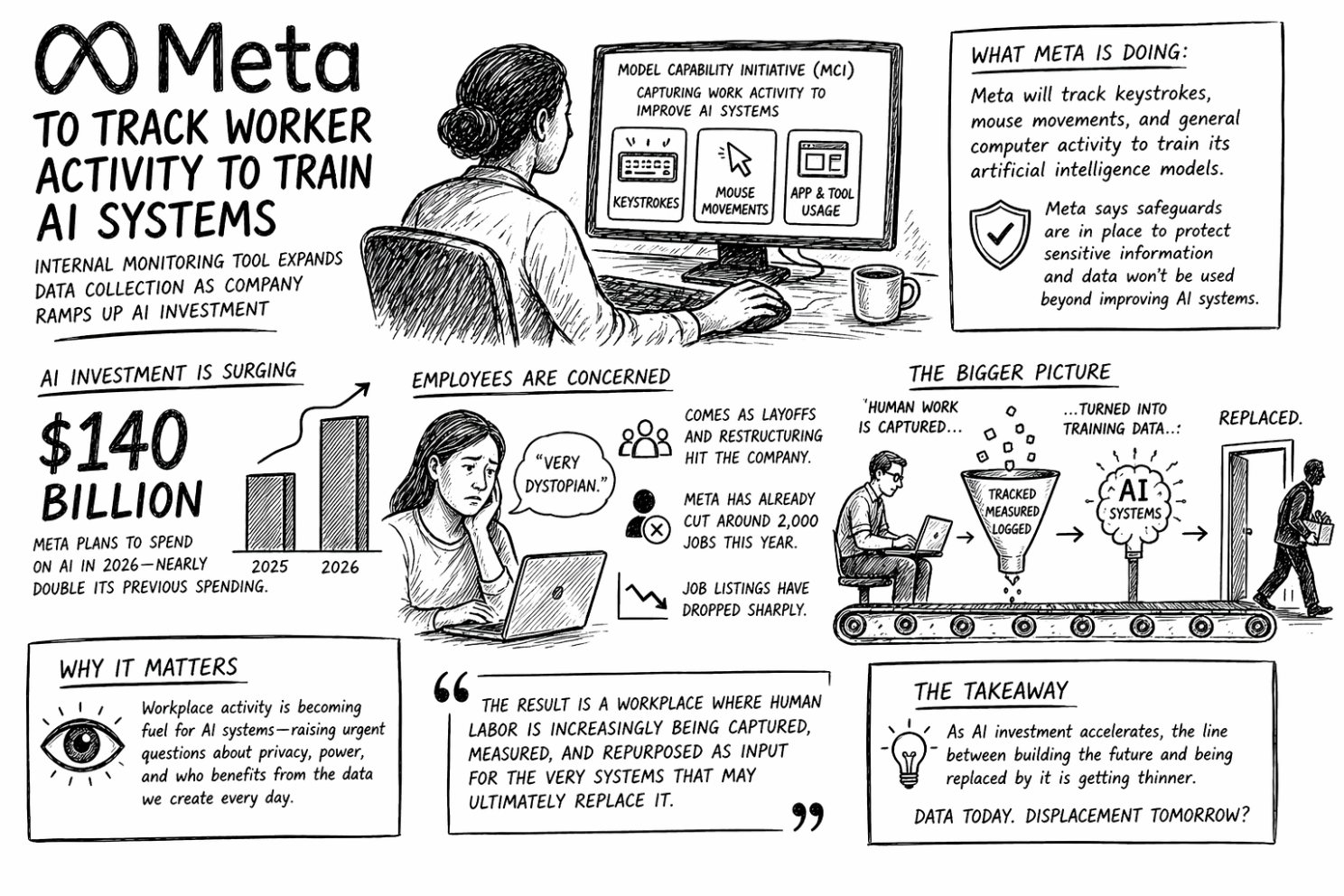
At Meta, employee activity is now being tracked to train AI systems . Keystrokes, mouse movements, and workflows are being converted into behavioral data that can be used to improve automation. Workers are not just producing output. They are generating the inputs that may eventually reduce their role within the system.
At the same time, layoffs at Disney are being framed as strategic realignment. The language emphasizes efficiency, optimization, and long-term positioning, but the broader pattern is becoming clear. Companies are increasing output while reducing the amount of labor required to produce it, retaining productivity gains rather than redistributing them.
What begins inside the workplace is not staying there. Proposed driver tracking systems would extend behavioral monitoring into mobility, while legal pressure is testing whether digital behavior can be contained, as seen in the case involving Cardi B . Even as companies acknowledge the risks associated with AI systems , adoption continues to accelerate. The system is not waiting for certainty. It is scaling alongside uncertainty.
Where growth and governance collide
Houston Added 127,000 Residents in 12 Months. Today the City Votes on ICE.
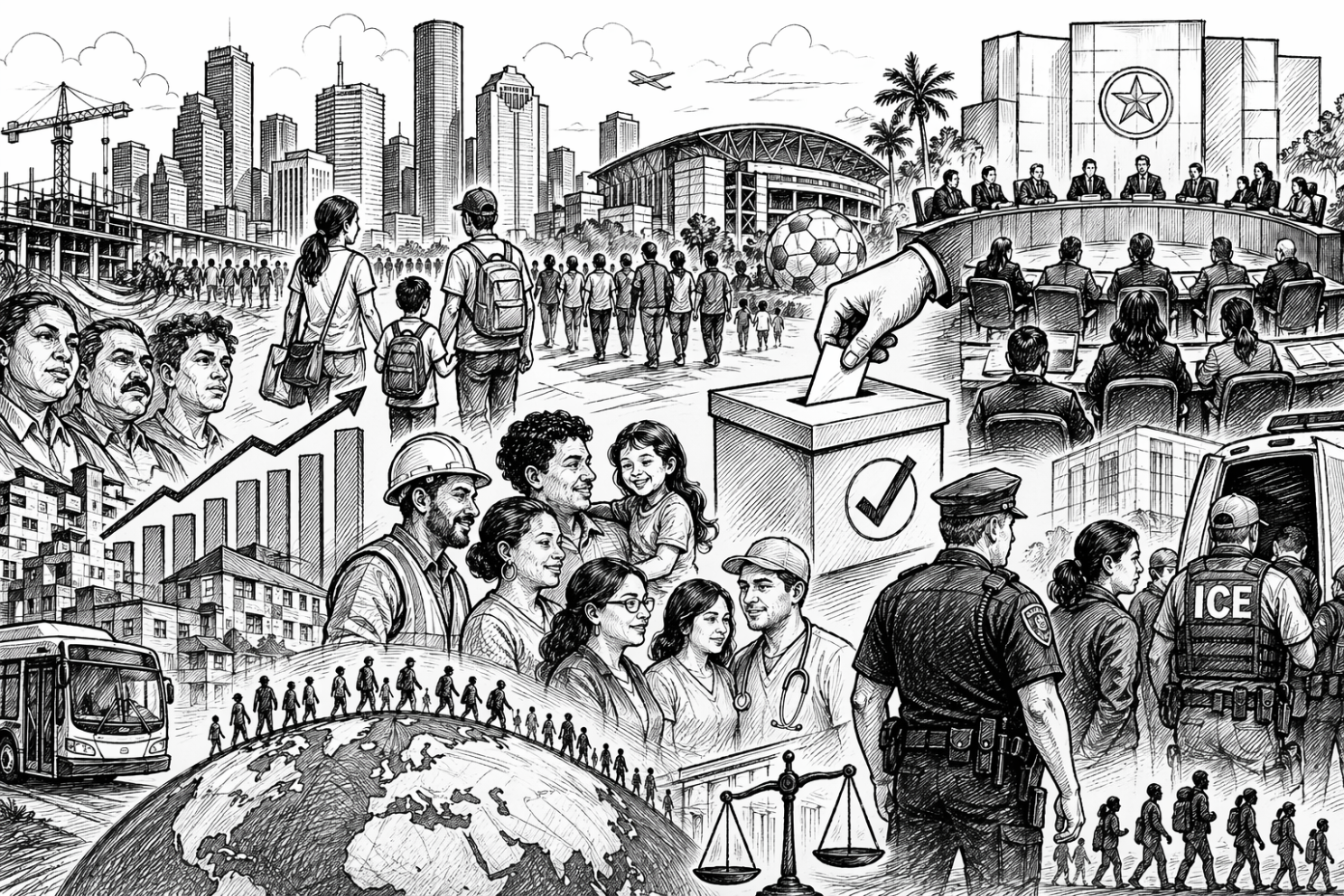
Houston’s growth is not just demographic. It is structural. Adding more than 127,000 residents in a single year reshapes housing demand, labor markets, infrastructure, and political pressure simultaneously. Growth at that scale forces systems to adapt, but it does not determine who those systems ultimately serve.
At the same time, the city is navigating policy decisions around immigration enforcement that directly intersect with the forces driving that growth. Migration is fueling expansion, but enforcement is redefining belonging. These dynamics are unfolding simultaneously, concentrating tension rather than resolving it.
That same pattern is visible elsewhere. The live music industry’s uneven recovery shows revenue returning while access remains concentrated. Tourism economies generating billions are not evenly distributing gains. Even something as basic as rest is being redistributed geographically. Growth is not expanding participation. It is reorganizing it.
Where culture is visible but ownership is unstable
Nike Blamed Black NBA Players for Its Own Collapse. The Data Tells a Different Story.
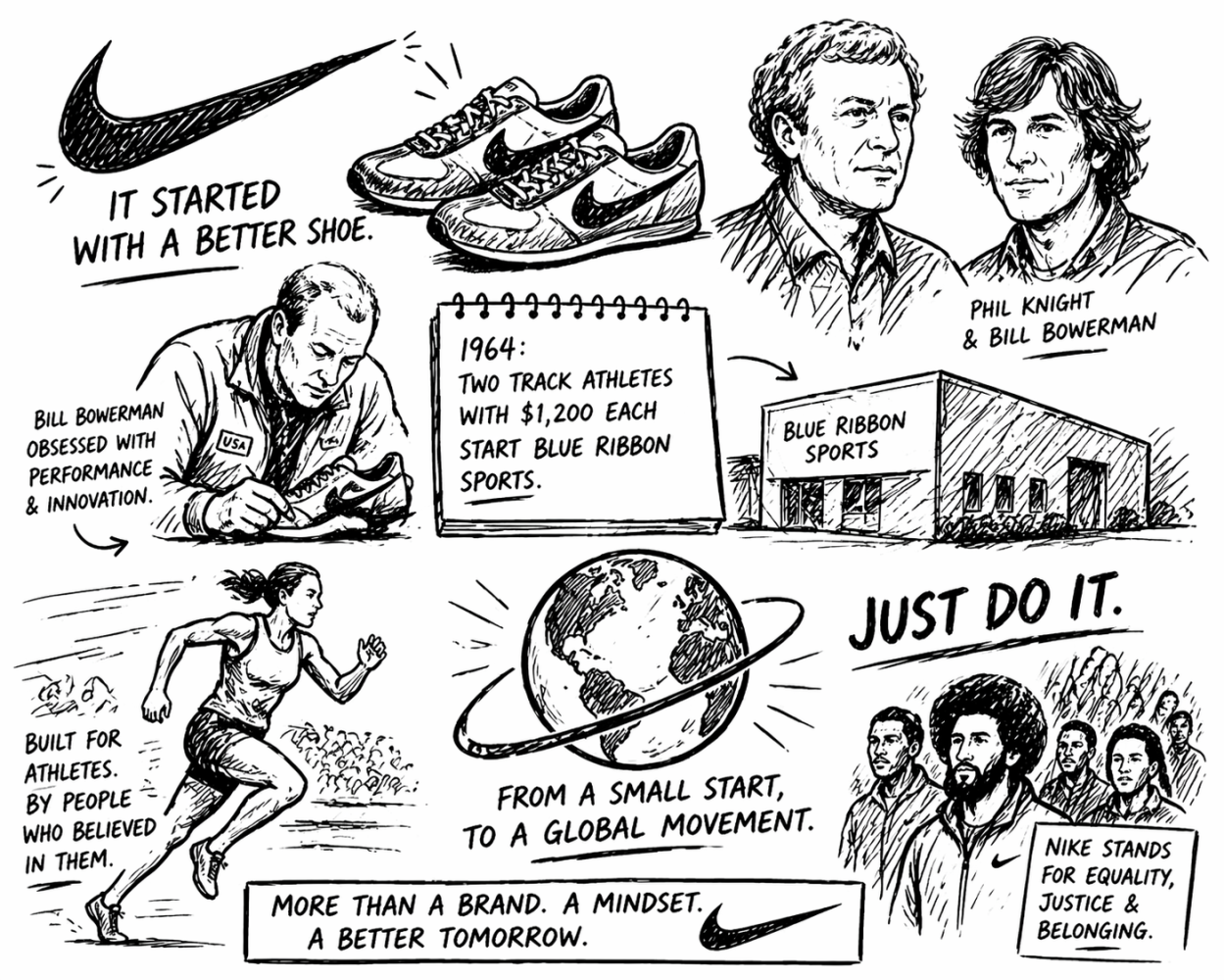
As Nike’s valuation declined, a narrative emerged attributing that decline to NBA players. The framing spread quickly, but it redirects responsibility away from internal strategy and toward the culture that built the brand’s relevance.
Nike’s identity has long been tied to Black athletes and Black cultural influence. Assigning blame to that same group reveals how quickly ownership becomes unstable when performance declines. Cultural contribution is recognized when it produces value, and questioned when that value shifts.
The pattern extends beyond Nike. At Howard University, a BTS moment exposed how easily Black institutional history can be reframed. Culture is being renamed and redistributed without attribution, while in London, communities that built the culture are increasingly being priced out of the spaces they defined . Visibility is expanding. Ownership is not.
Where the rest of the system is shifting beneath the surface
The same structural shifts appeared across a broader set of stories that clarify how the moment is being reorganized. Diaspora capital is moving beyond remittances into investment, but questions remain about who ultimately controls that capital and what ownership looks like at scale. Enforcement policies are defining belonging in racial terms, as seen in the Dominican Republic’s deportation practices, while initiatives like Ghana’s Year of Return raise questions about what infrastructure remains after cultural moments pass.
Cultural behavior is also moving ahead of institutions. Artists like Drake are turning rollout into product, where attention itself becomes the mechanism. Imitation is evolving into critique, with dupe culture exposing gaps between branding and production reality through interventions like a fake Lululemon store . These are not isolated moments. They are signals of how culture is shifting before markets fully respond.
Narratives themselves are also being contested. The data around white male economic outcomes is being selectively interpreted, while political coalitions are shifting as underlying contradictions become visible, including the collapse in Latino support around immigration handling. Systems are reconnecting, as seen in the reopening of airspace between Haiti and the Dominican Republic, but the underlying instability remains. Expansion and constraint are not operating in sequence. They are operating together.
This week didn’t present a single story. It presented a pattern.
Systems are expanding in ways that suggest strength on the surface. But the benefits of that expansion are not being distributed evenly. Access is widening in some places while narrowing in others. Visibility is increasing, but control remains concentrated.
The systems are functioning. But the alignment between what they promise and what they produce is becoming less stable.
Growth is not resolving tension. It is exposing it.
If this helped sharpen your perspective, share it with someone who should be paying attention. Join us on your laptop or desktop for the full experience — where the archive lives, where the analysis connects, and where each story builds on the last.
More next week.
The Social Storytellers Collective Team