
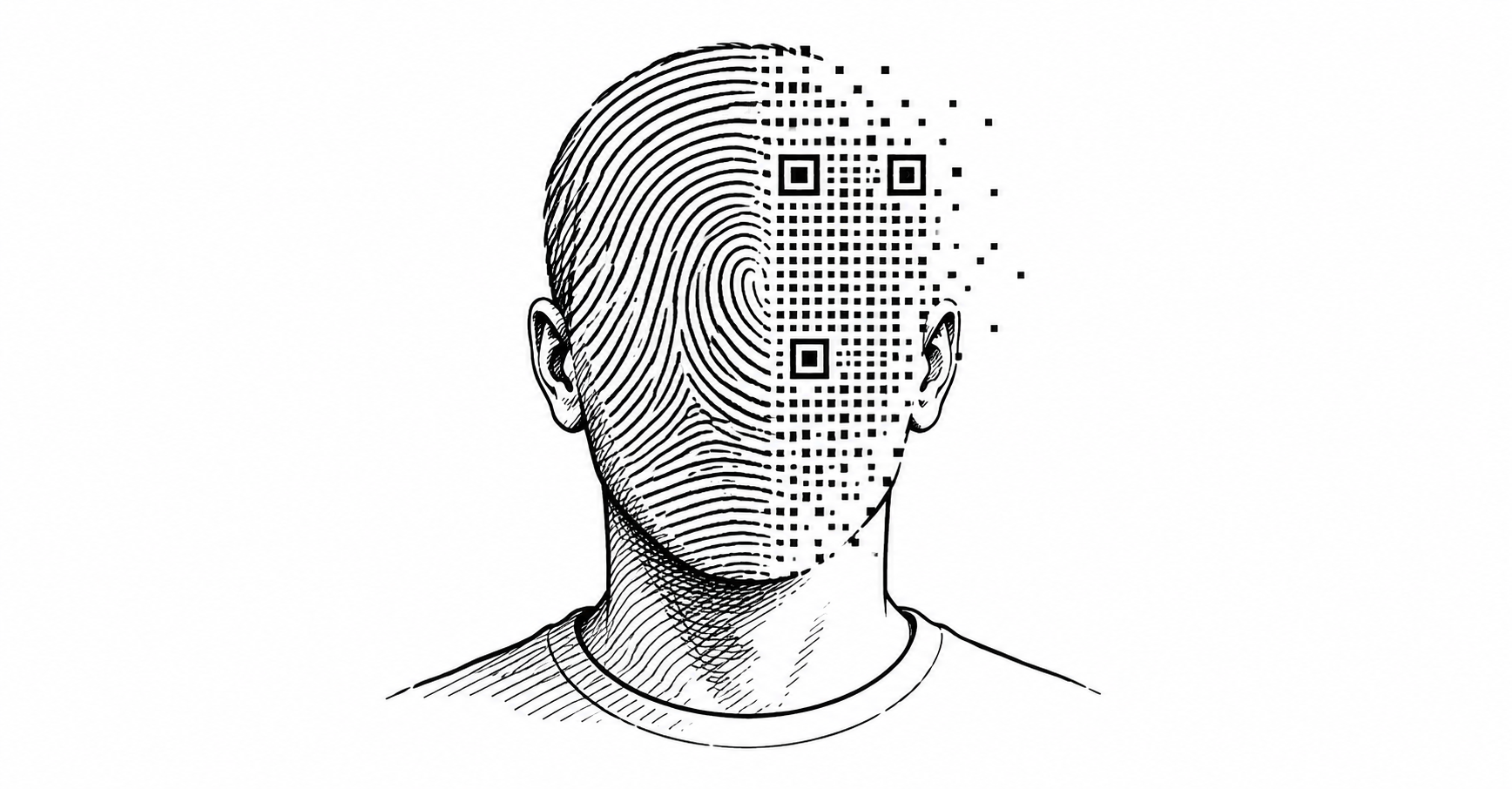
The Guardian reported that Robert Dillon, a 52-year-old Florida man, is suing multiple law enforcement agencies after he was wrongfully arrested following a facial-recognition search. According to the lawsuit, police in Jacksonville Beach identified Dillon as a 93% match to a man seen on McDonald’s security footage in an alleged child-luring incident. Dillon lived more than 300 miles away in Fort Myers, had never been to Jacksonville Beach, and still spent months under prosecution before the charges were dropped.
That is the mechanism that makes facial recognition so dangerous in policing. The technology is often described as an investigative lead, something that should point officers toward a possible person, not replace proof. But once a match enters the file, it can begin to organize the rest of the investigation around itself. The algorithm does not need to be formally called evidence to function like evidence. It can decide whose face goes in front of police, whose name goes on a warrant, and whose life gets interrupted before anyone has fully tested whether the match makes sense.
Wired reported that the case involved FACES, a long-running facial-recognition system operated by the Pinellas County Sheriff’s Office. The search was reportedly based on a blurry image. The lawsuit says investigators built the case around the match while overlooking facts that should have raised immediate doubts, including the distance between Dillon’s home and the alleged crime scene, vehicle-location information, and witness details that pointed elsewhere. That is not technology helping an investigation. That is technology narrowing an investigation too early.
The cost landed on Dillon. Wired reported he was arrested at home in front of his family, held overnight, and had to pledge his truck to post bond. The Guardian reported the case is at least the 15th wrongful legal action tied to a false facial-recognition match. Fifteen is not a glitch count. It is a warning about a system where the harm becomes visible only after someone has already been arrested, charged, jailed, or publicly attached to a crime.
The accountability problem is that facial recognition changes the burden of proof in practice. Police agencies get a fast identification tool. Vendors get contracts and institutional legitimacy. Prosecutors get a suspect file that appears to have technological confidence behind it. The person misidentified gets the slow part: proving they were somewhere else, hiring or waiting on legal help, explaining the arrest to family and employers, and hoping the system admits the original match was weak.
The Washington Post reported in April that Kimberlee Williams, a 57-year-old Oklahoma woman, spent six months in jail after facial recognition linked her to bank-fraud cases in Maryland, despite her insistence that she had never been there. AP reported last year that a federal judge dismissed Porcha Woodruff’s civil-rights lawsuit against Detroit police after she was wrongfully arrested while pregnant, though the case had already pushed Detroit to tighten its policy so arrests could not be based solely on facial recognition or photo lineups produced from it.
Those policy changes matter, but they also reveal how late the guardrails arrive. The public usually learns the rules were inadequate after someone has been harmed. Police departments can say the technology is only one tool among many, but the real question is how that tool behaves once it enters a system already inclined to close cases, justify arrests, and trust its own paperwork. A weak lead can become strong when every later decision is built around it.
Power moves through that sequence. It moves from the person being investigated to the agency selecting the image, running the search, interpreting the score, and deciding what to disclose. It moves from public accountability to technical systems most residents cannot inspect. The next facial-recognition fight will not be only about accuracy. It will be about whether police can use a machine to generate suspicion while the person on the other side is left proving they are real, present, and innocent after the system has already moved.
— SSC News Desk | Social Storytellers Collective
Get SSC analysis delivered to your inbox every day. Subscribe free on Beehiiv: socialstorytellerscollective.beehiiv.com