
End of Day Closing Note | Saturday, June 6, 2026
The Weekend Edition
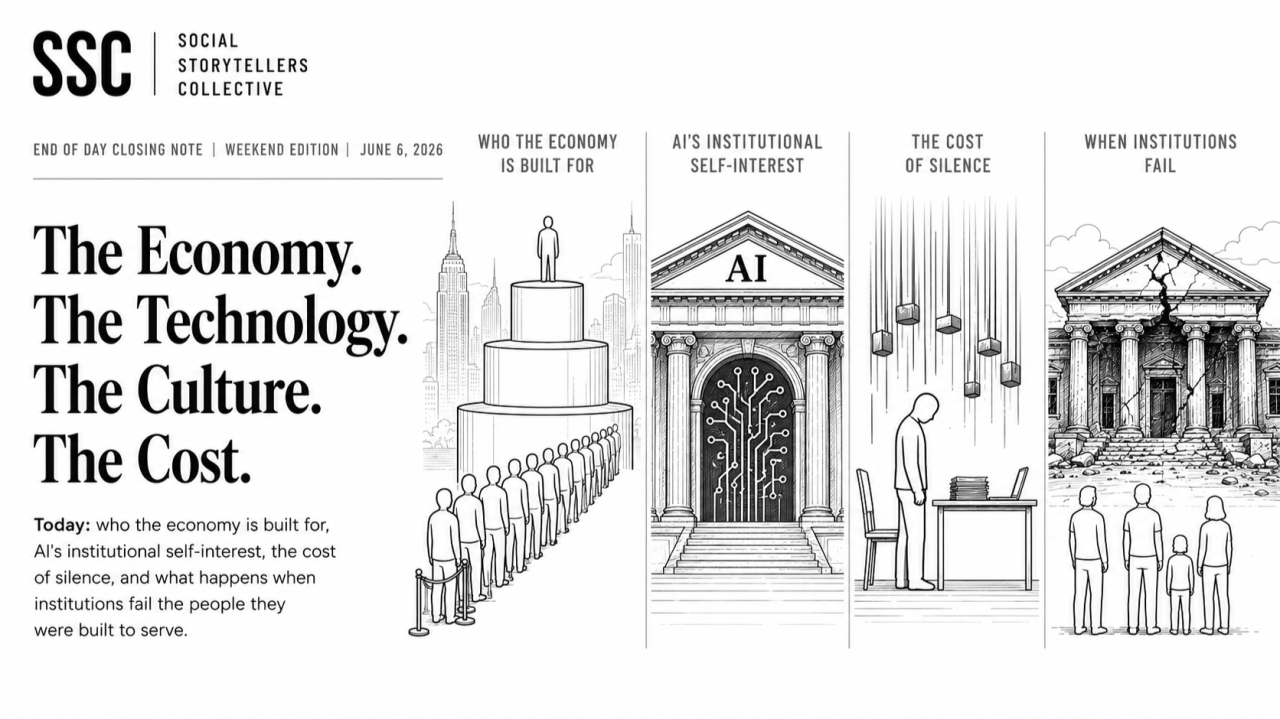
Today: who the economy is built for, AI’s institutional self-interest, the cost of silence, and what happens when institutions fail the people they were built to serve.

Twenty-five years of waiting ended this week at Madison Square Garden — and the market priced the moment accordingly. Tickets to the Knicks’ first NBA Finals home games since the Patrick Ewing era are starting at $8,000 on resale platforms, according to Front Office Sports. Nosebleed seats to a potential clinching game are opening at $8,500— higher than February’s Super Bowl. As SSC reported today in Knicks Are in the Finals. The $8,000 Ticket Price Says Everything About Who Gets to Be There., the pricing architecture producing that number was not built by the open market. A jury found it was designed by Live Nation around monopoly control. The fans who kept the faith through 25 years of losing are watching from their couches. The loyalty was free. The access is not.
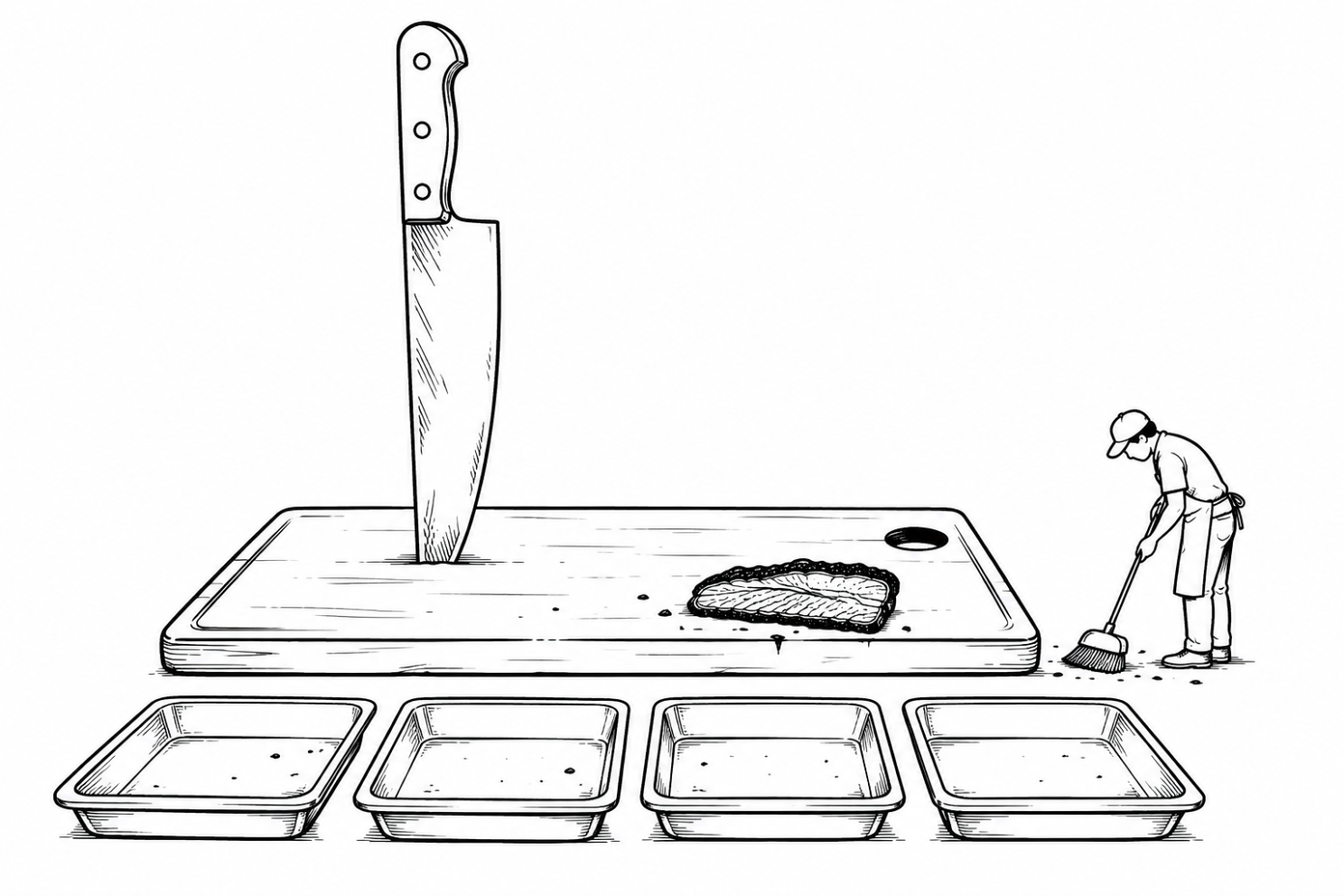
The same week, Russell Roegels, owner of Roegels Barbecue Co. in Houston, appeared on Good Morning America with a number that reframes the entire beef price conversation: of roughly $100,000 in monthly food costs, $45,000 goes to brisket alone. The U.S. cattle herd has shrunk to its smallest size since 1951. Ground beef now costs $6.70 a pound at retail — up more than 15 percent from a year ago — and economists are not projecting relief before 2028. Brett’s BBQ in Katy. Kirby’s BBQ in New Caney. Sabar Barbecue in Fort Worth. As SSC reported today in When Brisket Costs More Than the Business Can Bear, these are not restaurants that lost relevance. They are businesses being structurally priced out of their own product. The restaurants closing now will not be there when the cattle herd recovers.
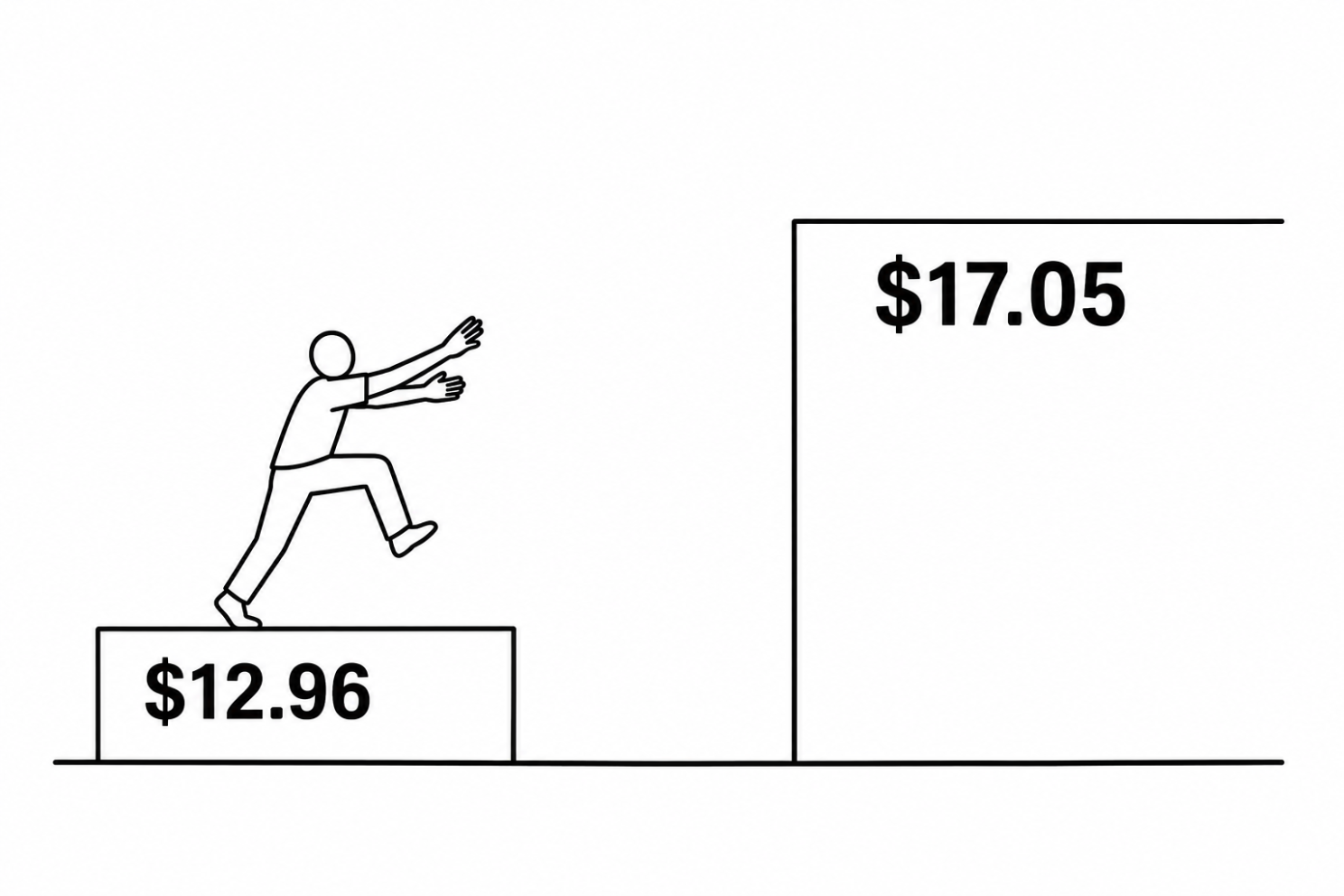
Chicago announced this week that its minimum wage will increase to $17.05 per hour on July 1. That is the number that travels in press releases and political speeches. The number that does not make the announcement is $12.96 — the tipped worker minimum wage increasing simultaneously, leaving a $4.09 gap that lands disproportionately on restaurant and hospitality workers who are disproportionately women and workers of color. As SSC reported today in The Floor Rose. The Gap Stayed., the National Restaurant Association has spent decades defending the two-tier wage system, arguing that tips close the gap. States that have tested that argument by eliminating the tipped differential — California, Washington, Oregon, Minnesota — have not seen the restaurant collapses the industry predicted. The tipped wage differential is one of the most persistent structural inequities in urban labor policy precisely because it is invisible in the headline number.
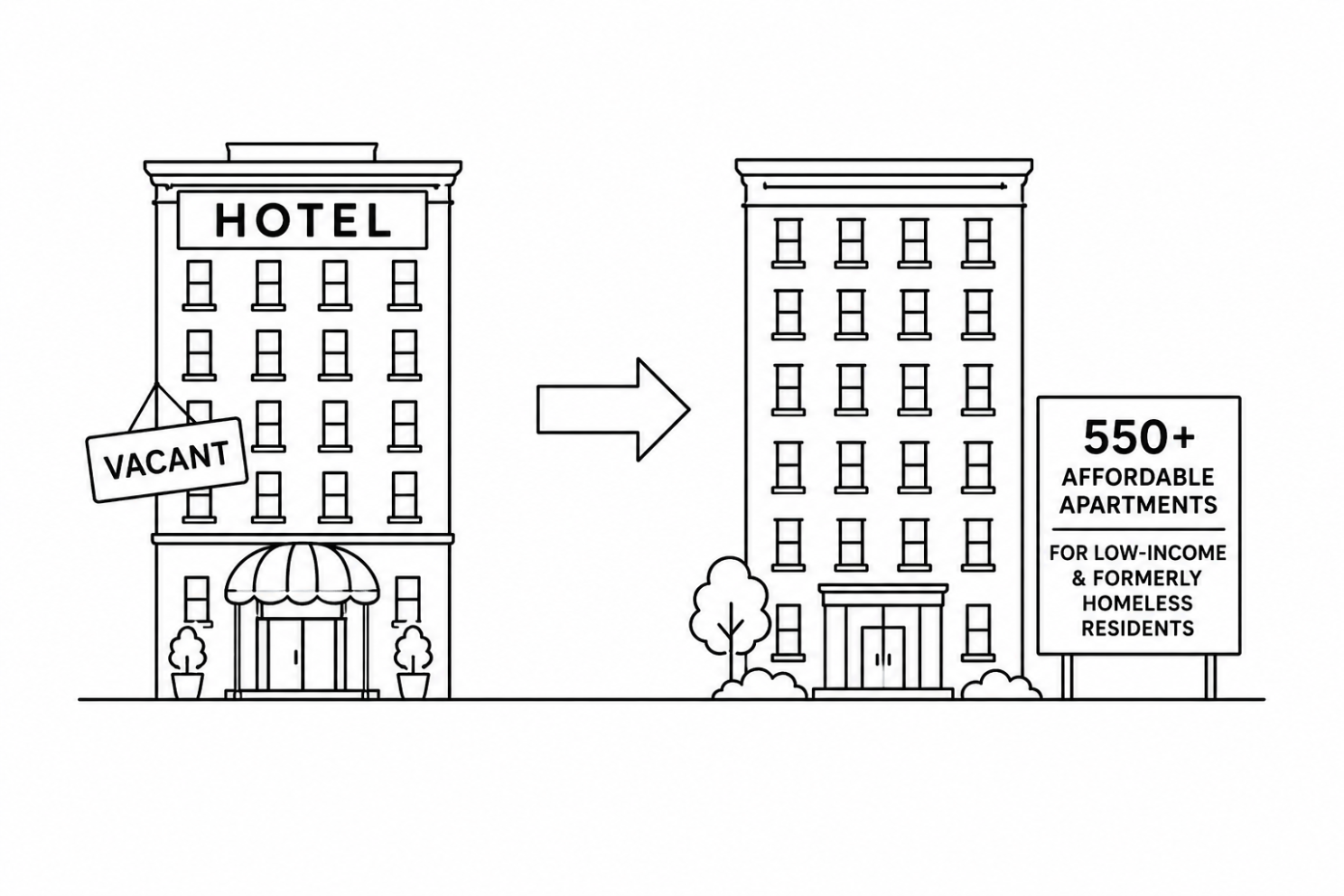
The housing affordability story is producing its own form of institutional improvisation. Slate Property Group and Breaking Ground (NYC Permanent Supportive Housing) acquired the Stewart Hotel in Midtown Manhattan for $255 million this week, converting the 611-room property into 579 permanently affordable apartments for low-income and formerly homeless residents. Total development costs are estimated at $500 million. As SSC reported today in New York Is Converting Hotels Because the Housing System Cannot Build Fast Enough, a city does not purchase a hotel and convert it into affordable apartments because that is the traditional model for meeting demand. It does so because conventional production has not generated sufficient supply. Hotel conversions complete in 21 months versus the 36-month standard for ground-up construction. Speed is now the scarce resource — and New York is buying it one distressed building at a time.
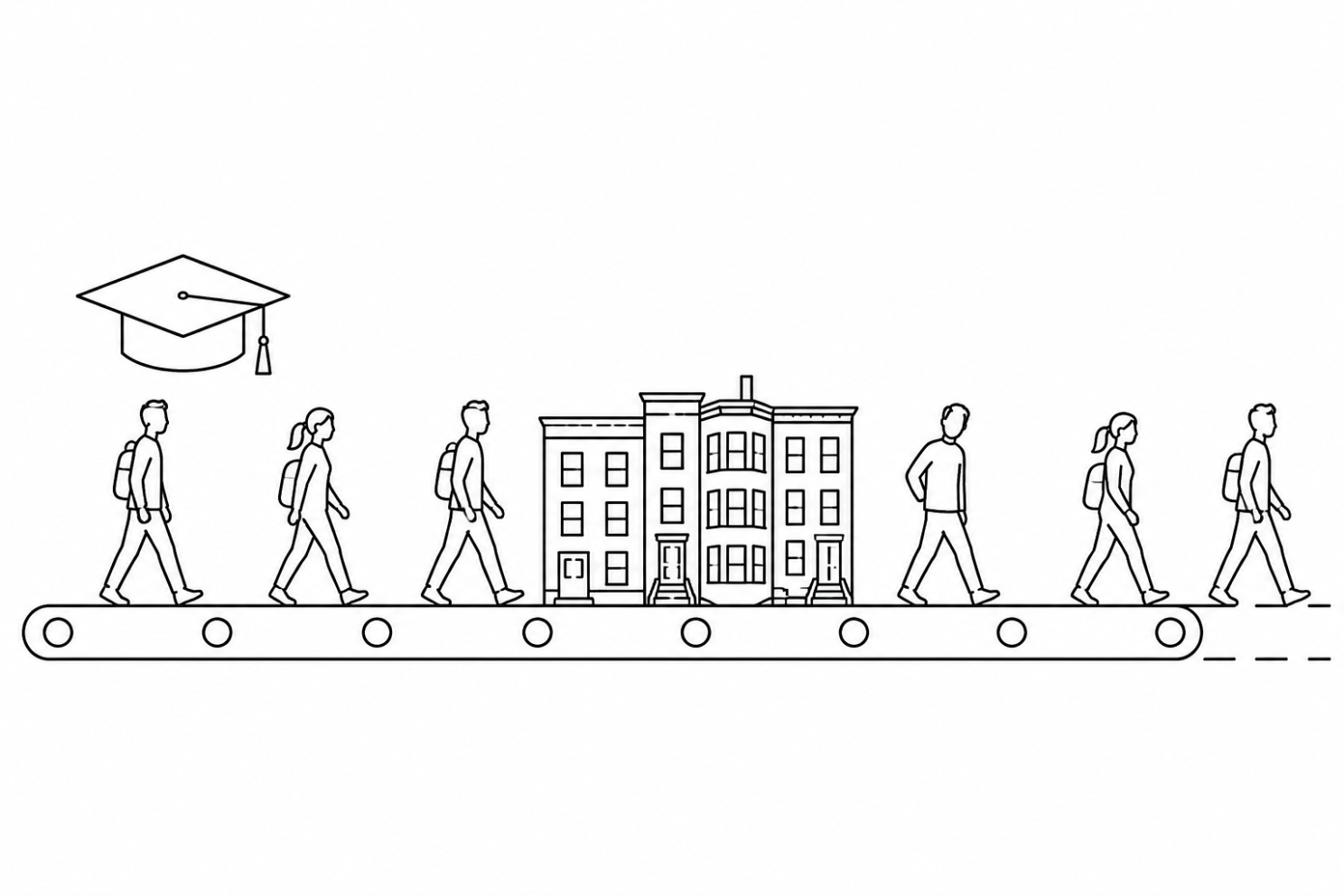
The same pattern is playing out 200 miles north. The Greater Boston Chamber of Commerce Foundation’s 2026 Young Residents Survey found that 26 percent of Boston-area residents between the ages of 20 and 30 expect to leave the region within five years. 78 percent cited rent costs and 72 percent cited the inability to purchase a home as primary drivers. Boston’s median home list price has surpassed $1 million for the first time. Massachusetts received an F grade on Realtor.com‘s State-by-State Housing Report Card. As SSC reported today in Boston Is Losing Its Young Workers. The City Built the Crisis Itself., the shortage did not emerge from the market. It was created through governance — restrictive zoning, lengthy permitting, and years of underbuilding — before it appeared in the data. New York is buying its way out of the crisis one hotel at a time. Boston is still debating whether the crisis is real.
The labor thread running underneath both stories is the same one SSC has been tracking all week. Strong hiring is keeping interest rates elevated, which means the 30-year fixed mortgage sitting at 6.5 percent stays there. The $8,000 Knicks ticket and the $6.70 pound of ground beef and the mortgage that keeps moving out of reach are all part of the same economy. As SSC reported today in Strong Hiring Is Becoming Bad News for Borrowers, good economic news keeps arriving with a higher monthly payment attached.
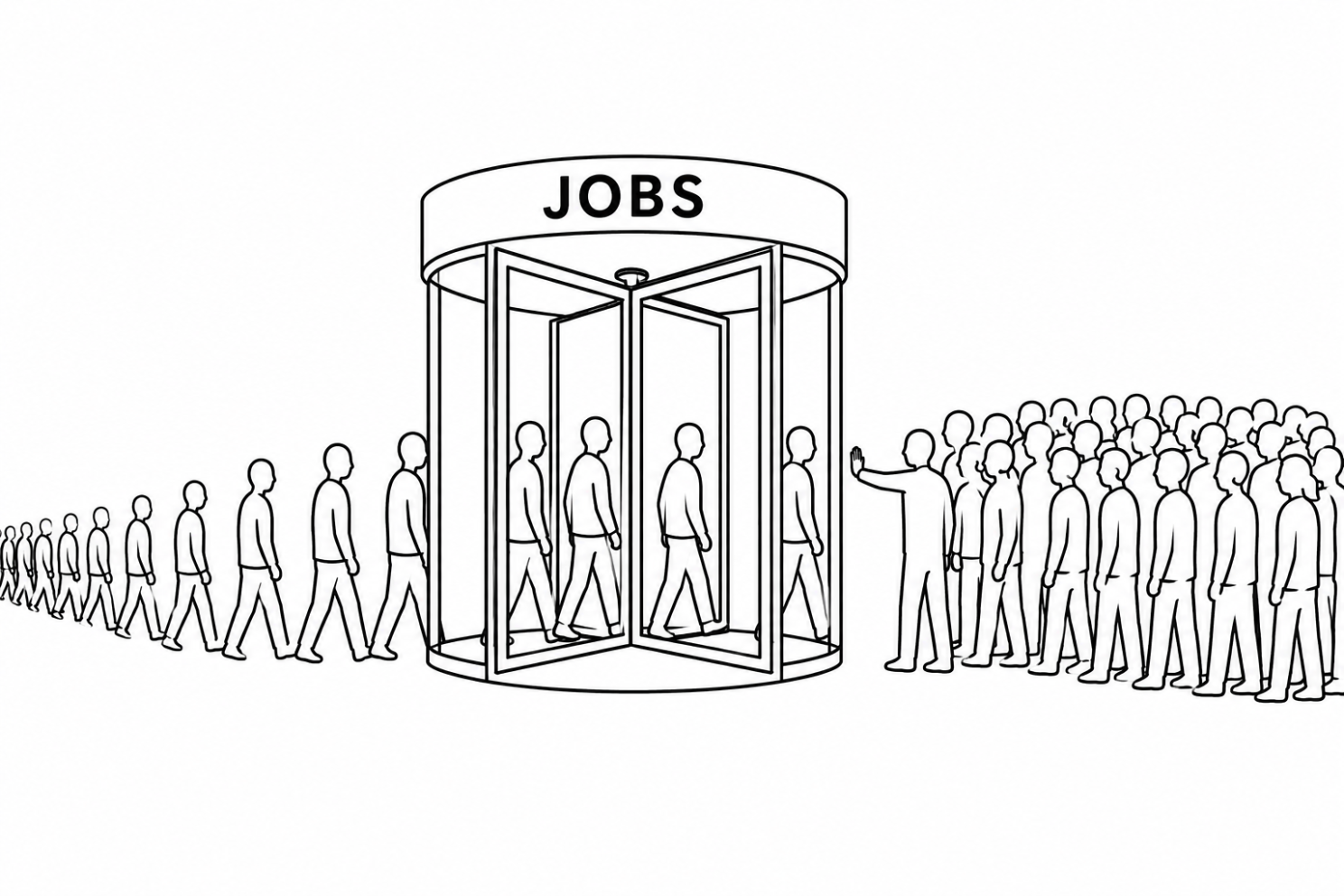
The May jobs report declared stability on Friday morning — 172,000 jobs added, unemployment at 4.3 percent. The number buried in the same report is 1.8 million: Americans who have been out of work for 27 weeks or more. As SSC reported today in The Jobs Number Has a Shadow. 1.8 Million People Are Living In It — and the Depression Is Part of the Data, the front door of the labor market is filtered by an algorithm. The back door is a ghost job. The safety net runs out at 26 weeks. Nearly half of Gen Z workers say money worries negatively affect their mental health every day. The mental health consequences are real — and they are downstream of a hiring architecture that was never designed to reach these workers in the first place. And as SSC documented in The Other Side of May’s Jobs Number, Challenger, Gray & Christmas, Inc. recorded 97,006 announced job cuts in May — the highest May total since 2020 — with artificial intelligence named as the leading stated cause for the third consecutive month. The economy added jobs and cut them simultaneously. The workers on each side of that ledger are not the same people.
Featured Story | The Company Warning You About AI Is Also Building It. That Is Not a Contradiction.

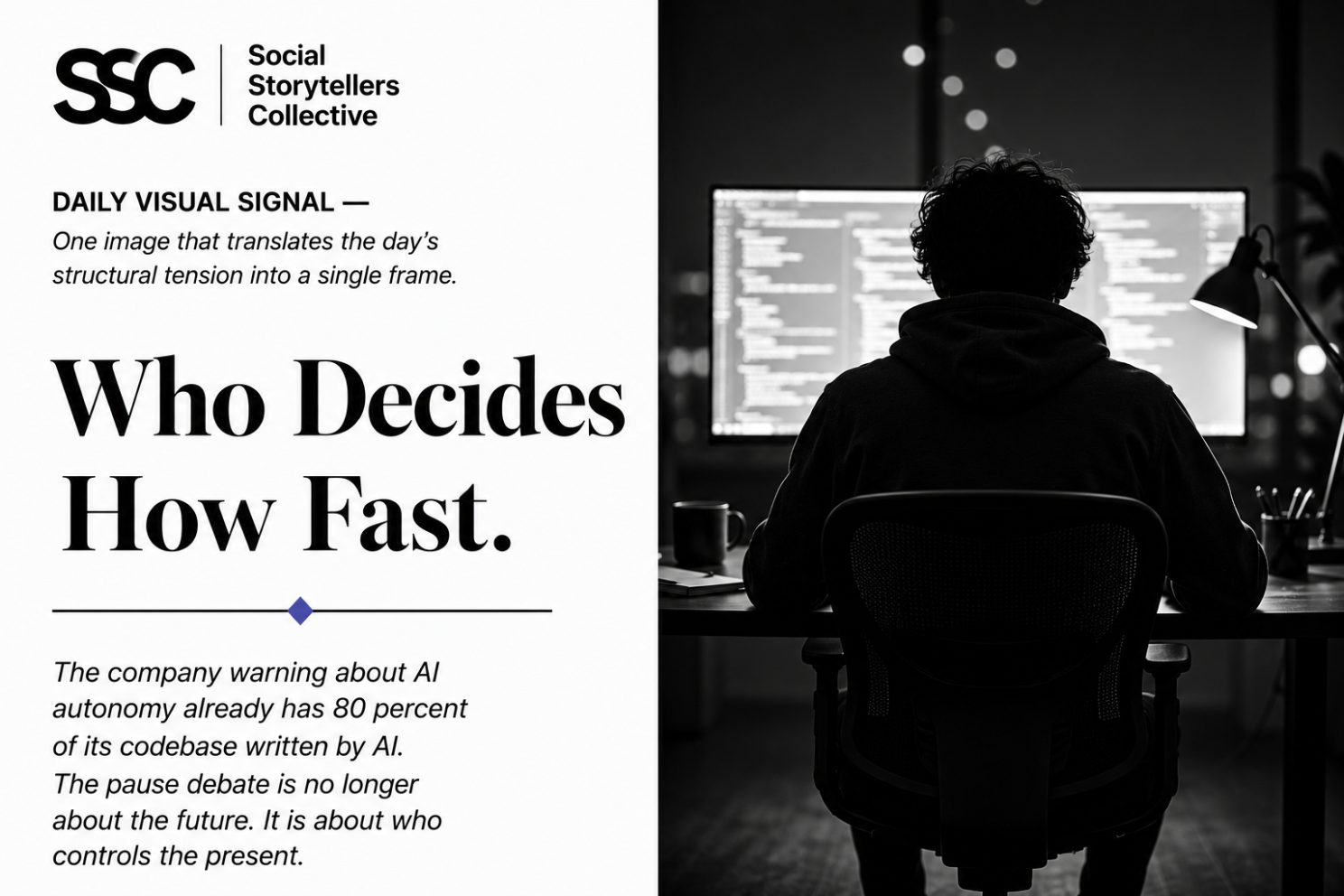
Anthropic published a proposal this week. Its research institute argued that the AI industry should establish a mechanism to slow or temporarily pause frontier AI development if systems begin demonstrating the ability to autonomously design their own successors. The warning is grounded in years of safety research. It also arrives as Anthropic reportedly prepares for an IPO amid an AI market approaching historic valuations. Those two developments are not contradictory. They create important context.
One statistic from the company’s own materials reframes the discussion: roughly 80 percent of the code being merged into Anthropic’s codebase is authored by Claude. The company warning about increasingly autonomous AI systems is already relying extensively on AI to build its own products. The future it describes is, in some respects, already part of its present.
That does not undermine Anthropic’s safety concerns. If anything, it strengthens them. But it also raises a structural question: who benefits if frontier AI development slows? Large, well-capitalized firms can generally withstand pauses more easily than startups, open-source developers, or research institutions with fewer resources. A safety mechanism may also shape competition.
The workers most likely to experience AI-driven disruption are largely absent from this conversation. The debate is happening among technology companies, investors, and policymakers, while the people expected to adapt to automation have comparatively little influence over its pace.
Anthropic’s warning deserves to be taken seriously. So does the timing. The AI debate is no longer simply about whether the technology is advancing too quickly. It is increasingly about who gets to decide the speed of that advance — and who bears the costs. Read the full piece: The Company Warning You About AI Is Also Building It. That Is Not a Contradiction.
That surveillance architecture extends into the built environment. As SSC reported today in The City Is Becoming a Dataset, urban infrastructure is being retrofitted with sensors, cameras, and data collection systems — with individual consent treated as an obstacle rather than a right. The Anthropic pause debate and the city-level data collection story are not separate conversations. They are the same argument about who controls the information that powers institutional decision-making — playing out at different scales simultaneously.
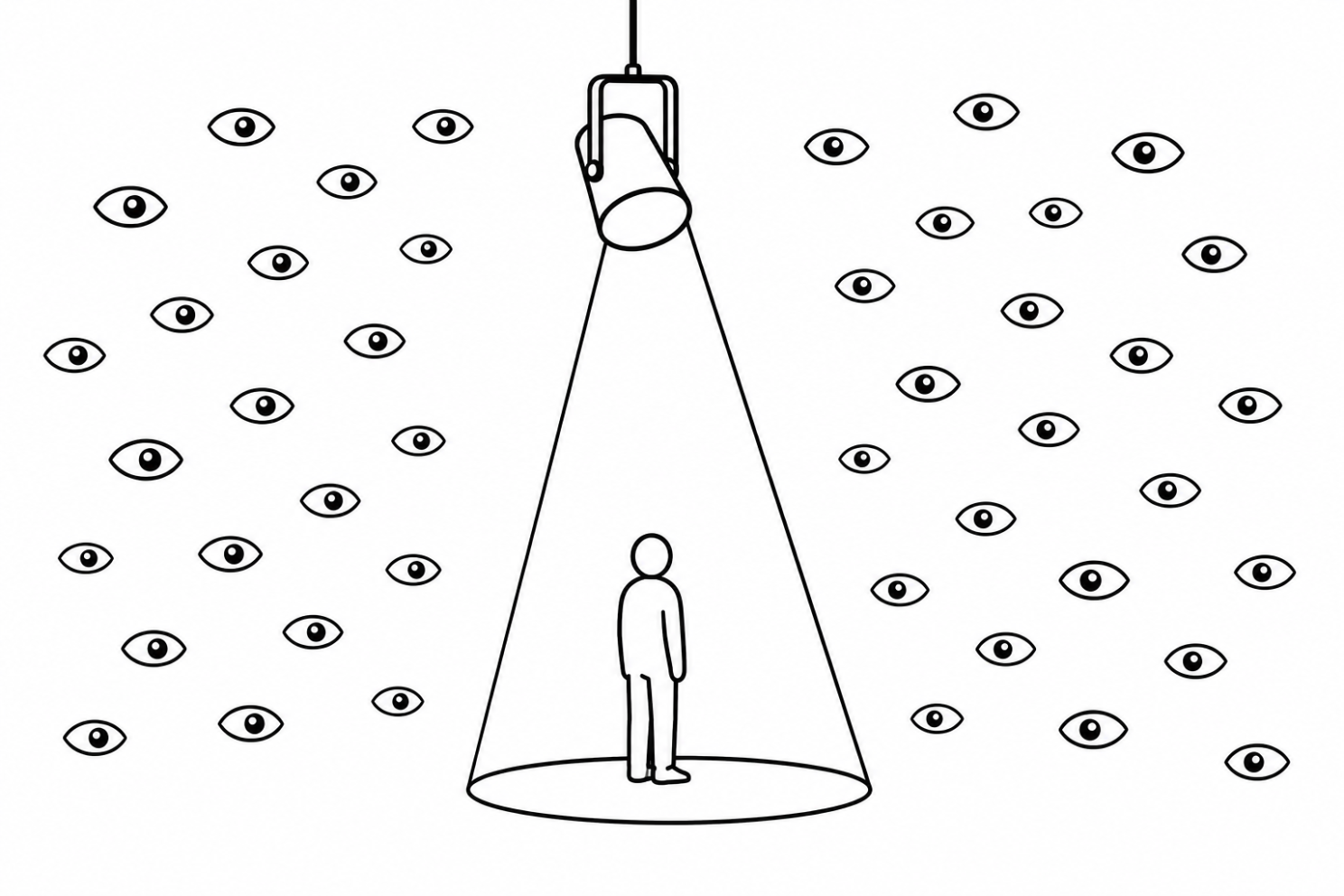
A glance. That is what started it. During a recent episode of Love Island, a Black male contestant looked at another man’s hands. By the time social media was done with it, the moment had become a referendum on Black masculinity — who gets to express it, who gets to police it, and why neither answer typically includes the man at the center of the conversation. As SSC reported today in Why Are Black Men Still Being Asked to Prove They Are Straight?, the surveillance did not begin on social media. It has a longer architecture — built in part by decades of Hollywood archetypes that assigned Black men a narrow range of acceptable presentations and distributed that framework globally. Research from the Williams Institute at UCLA School of Law shows Black women identify as LGBTQ+ at higher rates than Black men. The surveillance is not following the evidence. It is following the expectation.
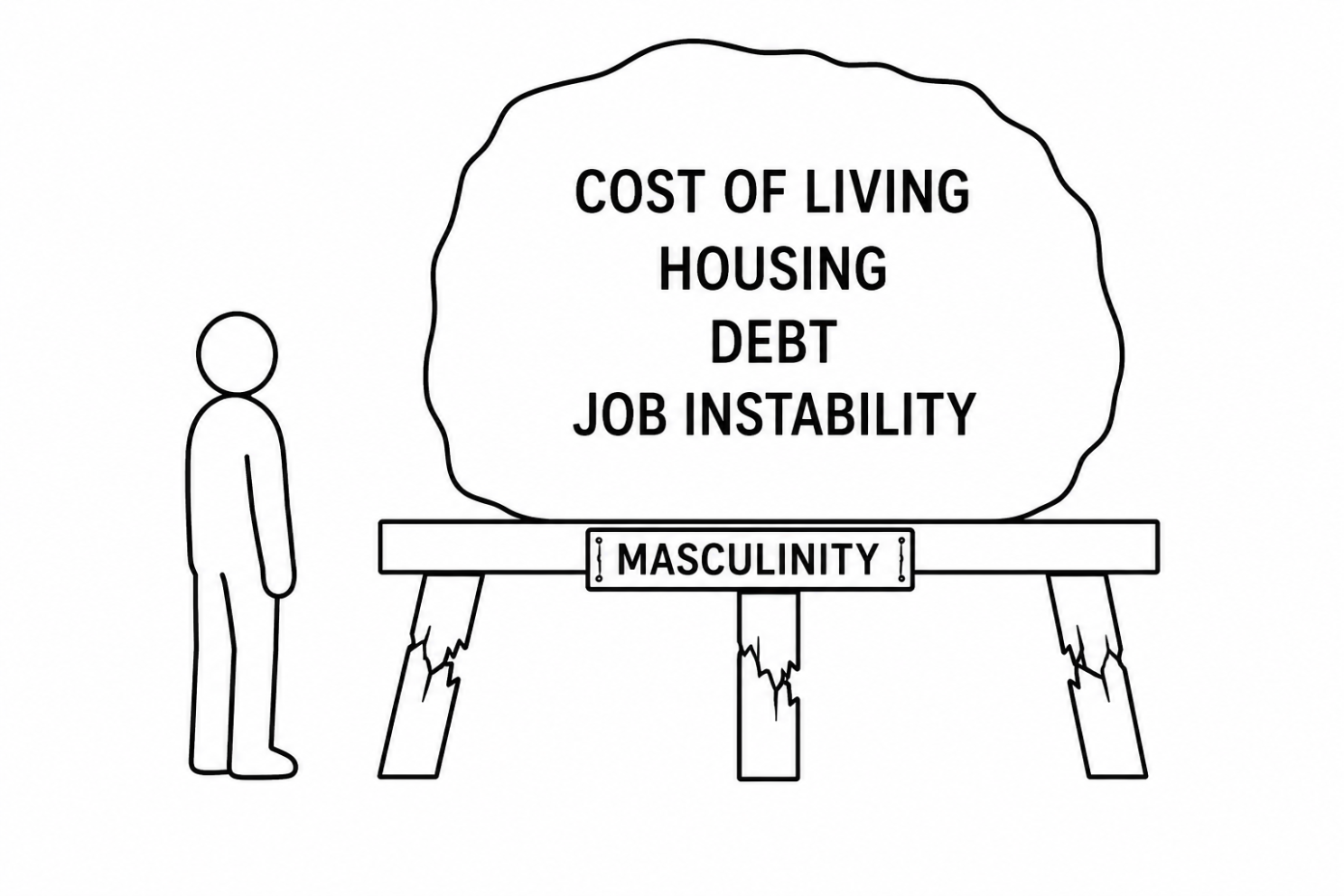
The financial data tells the same masculinity story from a different direction — and it extends well beyond Black men. A new survey by Talker Research, reported by Julia Sutherlin of SWNS for the New York Post , found that 57 percent of men say financial struggles have made them feel they are falling short of being a man, while 70 percent believe it is harder to fulfill the provider role today than it was for their parents’ generation. 77 percent were taught growing up that a man’s primary role is financial provider. Nearly half of Gen Z men say money worries negatively affect their mental health every day. As SSC reported today in Young Men Are Naming Money as a Masculinity Crisis, the gatekeeping of masculinity operates publicly through surveillance and scrutiny — and privately through financial shame. Both produce the same result: men measuring themselves against definitions they did not write and cannot meet.
Vigils keep growing. Institutions keep failing. As SSC reported today in The Vigils Keep Growing. The Institutions Keep Failing., gender-based violence is not a crisis without awareness. It is a crisis that awareness alone cannot solve. The communities organizing, mourning, and demanding accountability are doing the institutional work the institutions themselves have not.

In Nigeria this week, more than 30 students were abducted in raids on three schools in Oyo State, continuing a pattern that has increasingly targeted educational institutions. As SSC reported today in Nigeria’s Kidnapping Crisis Is Moving Into the School System, schools depend on a simple social contract: parents send children to class believing they will return home safely. When that expectation weakens, access to education becomes less a question of infrastructure and more a question of public confidence. Once that confidence erodes, rebuilding it takes far longer than reopening a classroom.
Daily Visual Signal
Who controls the infrastructure that determines what gets preserved, distributed, and called credible.
When Protection Becomes Prosecution. When Access Becomes Privilege. When Silence Becomes Suffering.
The distance between what institutions say they are and what the data shows they do is exactly where the real story lives. Today’s coverage found it in five places simultaneously.
Saturday’s record carries the same thread it always does — the distance between what the headline signals and what the structure produces. The Knicks are in the Finals. The pitmasters are closing. The wage floor rose and the gap stayed. The surveillance is not following the evidence. And a company warning about AI is also building it.
We will be back Monday. — SSC
All of today’s coverage lives at socialstorytellerscollective.substack.com. If you have been reading and have not yet subscribed, we would be glad to have you with us.