
Part of Culture in Motion — examining who defines culture, how it moves, and what it reveals about the moment.
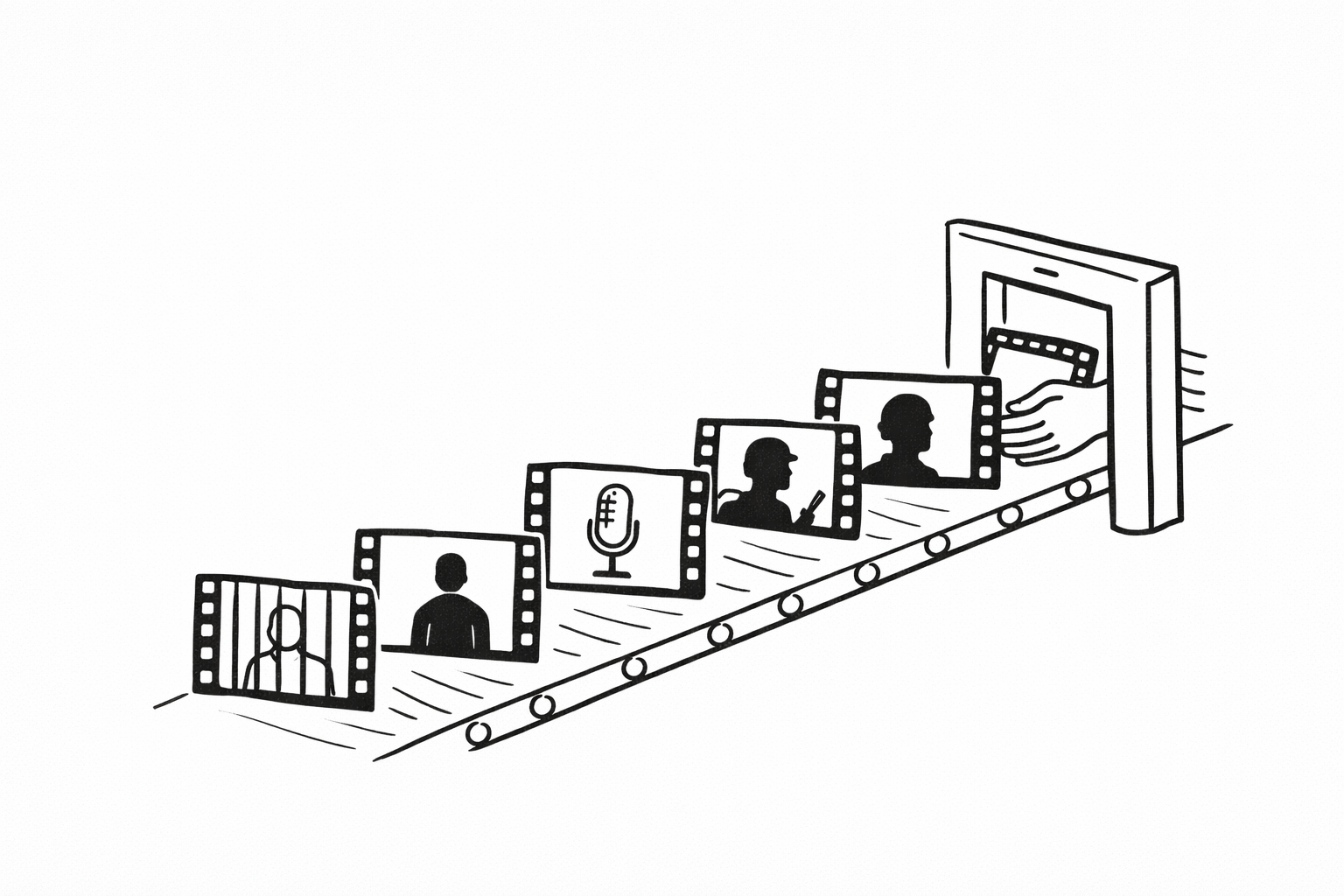
A number of Black-led films and documentaries emerging from the 2026 Sundance cycle are now moving into broader distribution, bringing with them a set of stories that feel both specific and structurally connected. On the surface, the subjects vary. A documentary on Brittney Griner examines the conditions that pushed her overseas and the geopolitical reality that shaped her detainment. A project built around Nelson Mandela uses his own voice and archival recordings to revisit a life that has often been interpreted through others. Another film uncovers Vietnam’s first Black Special Operations team, documenting a chapter of American military history that has largely gone unrecognized.
Individually, these are distinct narratives. Together, they point to a shift in how Black stories are being framed and distributed. The emphasis is less on visibility alone and more on authorship—who controls the narrative, whose voice carries authority, and how history is constructed in public memory.
That same thread extends into scripted work. In Newborn, led by David Oyelowo, the focus turns to incarceration and reentry, following a man rebuilding his life after seven years in solitary confinement. The story sits within a broader cultural conversation about the long-term effects of incarceration, but it approaches it through a more intimate lens: identity, fatherhood, and the difficulty of reestablishing self after prolonged isolation.
What connects these projects is not just subject matter, but timing. They arrive in a moment where distribution pathways have expanded, but control over narrative remains uneven. Sundance has long functioned as a gateway, but what happens after—who picks up these films, how they are marketed, and where they are ultimately seen—determines whether these stories shape the broader cultural conversation or remain contained within niche audiences.
The pattern is becoming clearer. Black stories are not lacking in production. They are moving, circulating, and reaching audiences. The question is how they are framed once they do—and whether that framing reflects the complexity of the lives they are meant to represent.