
Alabama is currently facing a contradiction that is becoming harder to explain away. Electricity rates are officially frozen. Lawmakers have framed that stability as consumer protection. Utility companies point to predictable pricing frameworks as evidence that costs are under control. And still, residents across the state are opening bills that feel anything but stable.
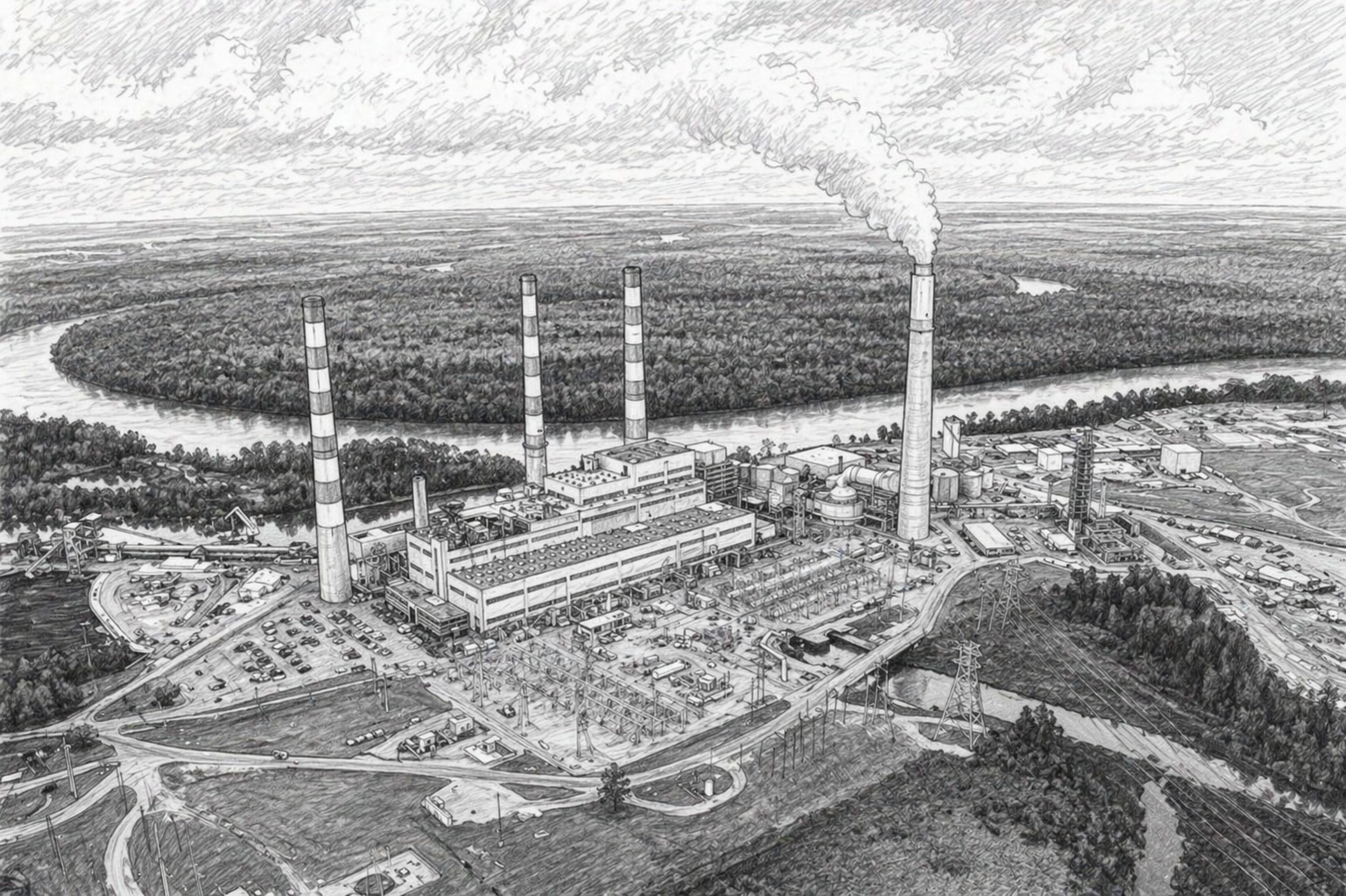
The explanation begins with a distinction that rarely makes it into public conversation. Rates and bills are not the same thing. A rate freeze signals that the base price of electricity is not increasing. It does not mean that monthly bills will remain the same. Usage, fuel costs, seasonal demand, and layered charges continue to move. In practice, that means households can experience rising costs inside a system that is publicly described as stable.
What makes Alabama distinct is not just that bills feel high. It is how long the system producing those bills has gone without full scrutiny. The state has not conducted a comprehensive, traditional rate review since 1982. That is more than four decades without a complete, transparent reassessment of how electricity pricing is structured, justified, and distributed. In most states, rate cases serve as moments of public accounting. They create a formal process where costs are examined, challenged, and explained. In Alabama, that mechanism has largely been absent.
Instead, pricing operates through a regulatory framework that allows adjustments without the same level of public visibility. Decisions about fuel cost recovery, infrastructure investment, and return on equity are made within a more contained process, one that limits how often those decisions are opened up for broad scrutiny. The result is a system where outcomes can shift without a clear, shared understanding of how those shifts are determined.
At the same time, the pressures pushing bills upward are real and not unique to Alabama. Electricity costs across the country have been rising due to aging infrastructure, increased demand, and the cost of maintaining grid reliability in the face of more extreme weather. But those pressures interact differently depending on how a state governs its utilities. Where oversight is frequent and transparent, rising costs tend to come with public explanation. Where it is not, the experience of those costs can feel arbitrary, even when they are not.
The burden of that opacity does not fall evenly. In a state with long, hot summers, energy use is not easily reduced without sacrificing comfort or safety. Cooling is not discretionary. It is baseline. Which means households have limited ability to manage rising bills through behavior alone. The conversation often shifts toward individual responsibility. Use less. Adjust more. Be mindful. But those prescriptions operate within constraints that are structural, not personal.
What is happening in Alabama is not just about electricity. It is about what happens when a system continues to evolve without a regular process for explaining itself to the public it serves. A rate can remain stable on paper while the lived experience of cost becomes increasingly unstable. And without a formal mechanism to interrogate that gap, the burden of making sense of it shifts onto the people paying the bill.
Alabama’s power bill issue is not simply about whether electricity is expensive. It is about how a system can produce consistently high outcomes while operating outside the kind of review that would make those outcomes legible. The last full review was in 1982. Everything since has been layered on top of that foundation.