
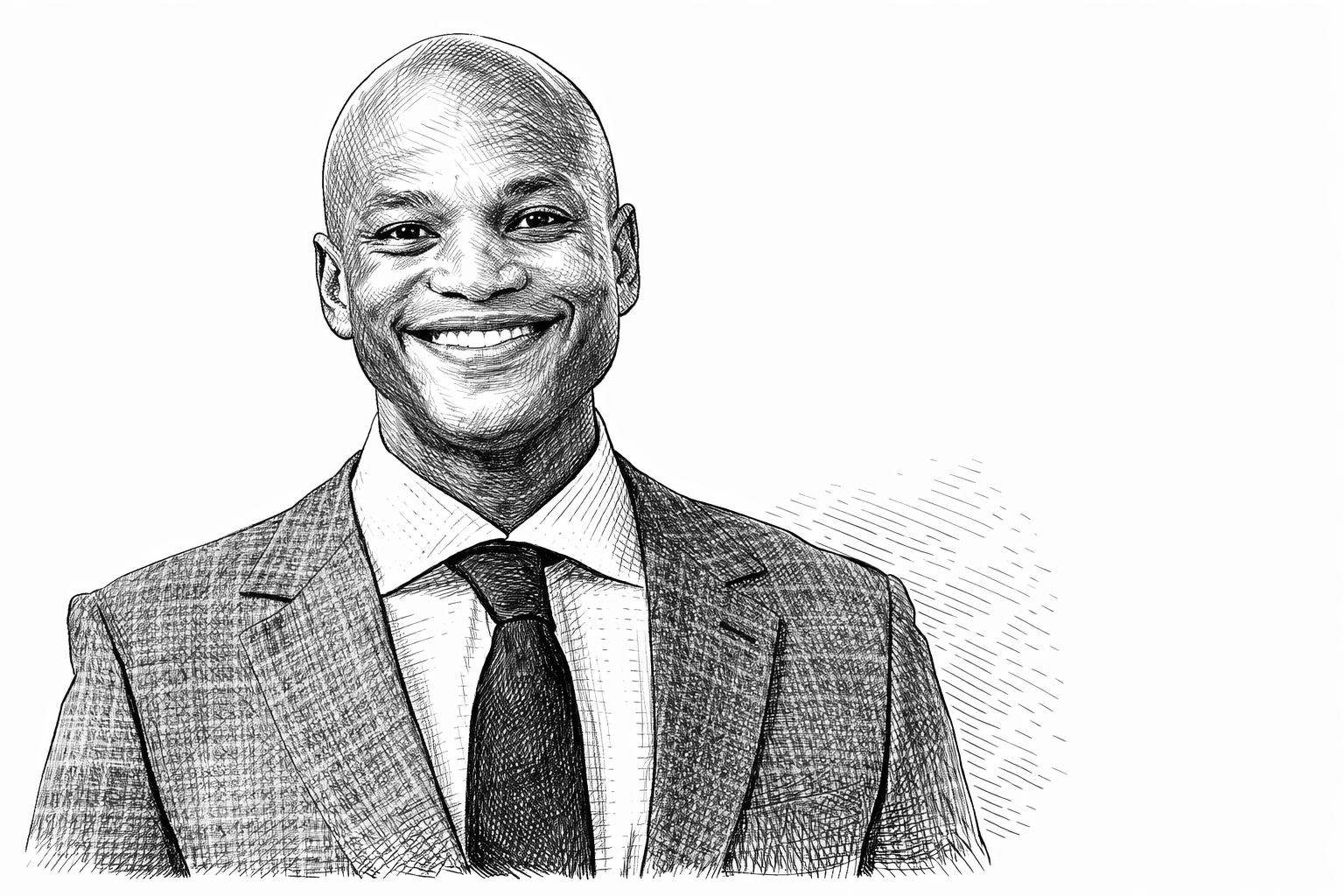
Maryland lawmakers have moved forward with a paid family and medical leave program allowing eligible workers to take up to 12 weeks off for caregiving, illness, or recovery, with benefits funded through a payroll-based insurance system. Backed by Gov. Wes Moore, the policy reflects a pattern that has become structural: states stepping in where federal policy has stalled. The United States remains one of the only high-income countries without a universal paid leave mandate, leaving individual states to design their own frameworks and producing measurable differences in how Americans experience work and recovery. Workers in states like California and New York already have access to paid leave systems. Others rely on employer discretion or the unpaid protections of the Family and Medical Leave Act. The result is uneven by design — two workers with the same job, income, and needs can face entirely different realities depending on their zip code. One can step away and remain financially stable. The other cannot.
What Maryland signals is not just policy expansion but a redefinition of what time off represents. Leave is no longer framed solely as a workplace benefit. It is being recast as economic infrastructure, tied to public health, workforce stability, and family outcomes. But until a national standard emerges, access to that infrastructure will remain a function of geography. In the United States, rest is no longer just personal. It is political.