
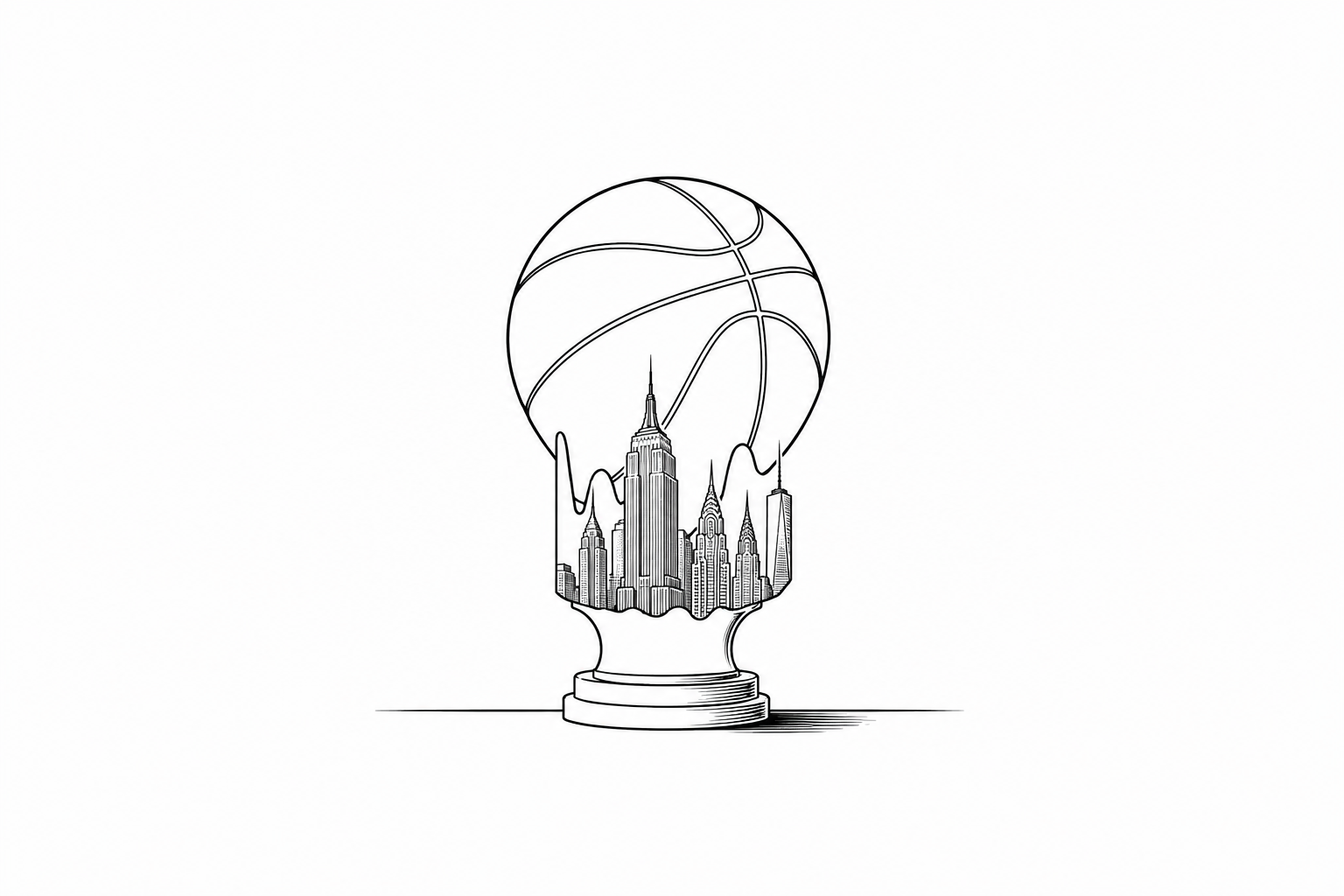
When the New York Knicks returned to the NBA Finals conversation, Vogue examined how the playoff run spilled into fashion, beauty, luxury retail, celebrity culture, and social media — transforming Knicks fandom into a citywide aesthetic. The orange-and-blue palette appeared in designer collections. Celebrities treated Madison Square Garden as a runway. Merchandise became as much about cultural belonging as team loyalty. The games were part of the spectacle. They were not the whole thing.
Sports organizations now function as cultural platforms, not athletic institutions. Wins and losses still matter — they serve as catalysts for larger economic systems built around apparel, hospitality, media, tourism, and luxury branding. The franchise is no longer primarily a sports team. It is an identity business, and the Knicks’ playoff run made that visible at a scale the city had not seen in years.
The mechanism is participation. Traditional fandom asked people to watch games and buy tickets. The modern sports economy invites them to perform membership — through fashion, social media, restaurants, sneakers, and neighborhood identity. A Knicks cap no longer simply communicates support for a basketball team. It signals affiliation with New York itself: a shorthand for a particular cultural confidence that travels anywhere in the world without needing explanation.
Digital platforms expanded the number of ways that emotion can be monetized. Pregame tunnel walks become fashion coverage. Courtside celebrities become marketing assets. Street style photographers generate content that extends the life of every game well beyond the final buzzer. Luxury brands, apparel companies, influencers, and media outlets all participate in the same economic cycle — each reinforcing the cultural value of the team while extracting commercial value from the attention it generates. The team benefits from every rep. The reps are infinite.
Houston offers a useful comparison. The city has long understood that civic identity extends beyond the field of play. The Astros, Rockets, and Texans exist alongside a local ecosystem of musicians, artists, restaurants, designers, and neighborhood traditions that shape what it means to represent Houston. The strongest civic brands are never built exclusively by institutions. They are built by communities that continuously reinterpret those institutions through their own creativity — and the institutions that understand that relationship are the ones that last.
That dynamic explains why franchises increasingly compete for cultural relevance as much as championships. A successful season generates television revenue. A culturally resonant season produces something more durable: an identity that consumers choose to inhabit year-round. Fashion becomes advertising without looking like advertising. Streetwear becomes merchandise without feeling transactional. The team benefits each time a supporter makes the brand part of their personal story — and that transaction has no off-season.
Cities are learning the same lesson at scale. Cultural capital produces economic value independent of championships. Visitors travel to experience an atmosphere they have consumed online. Retailers respond to demand generated by social identity rather than athletic performance. Local businesses benefit from an ecosystem in which civic pride becomes commercial activity. Sports organizations sit at the center of networks connecting entertainment, fashion, tourism, and urban identity — and the franchises that understand that position are building infrastructure, not just rosters.
Championships are finite. Identity compounds. The organizations that build strong cultural infrastructure around their rosters will find that their most valuable asset is not the game — it is the community that continues performing its meaning long after the final score disappears.