
Eli Lilly paused its obesity awareness campaign in India this week after regulators raised concerns that the initiative could indirectly promote prescription medications without formally advertising them.
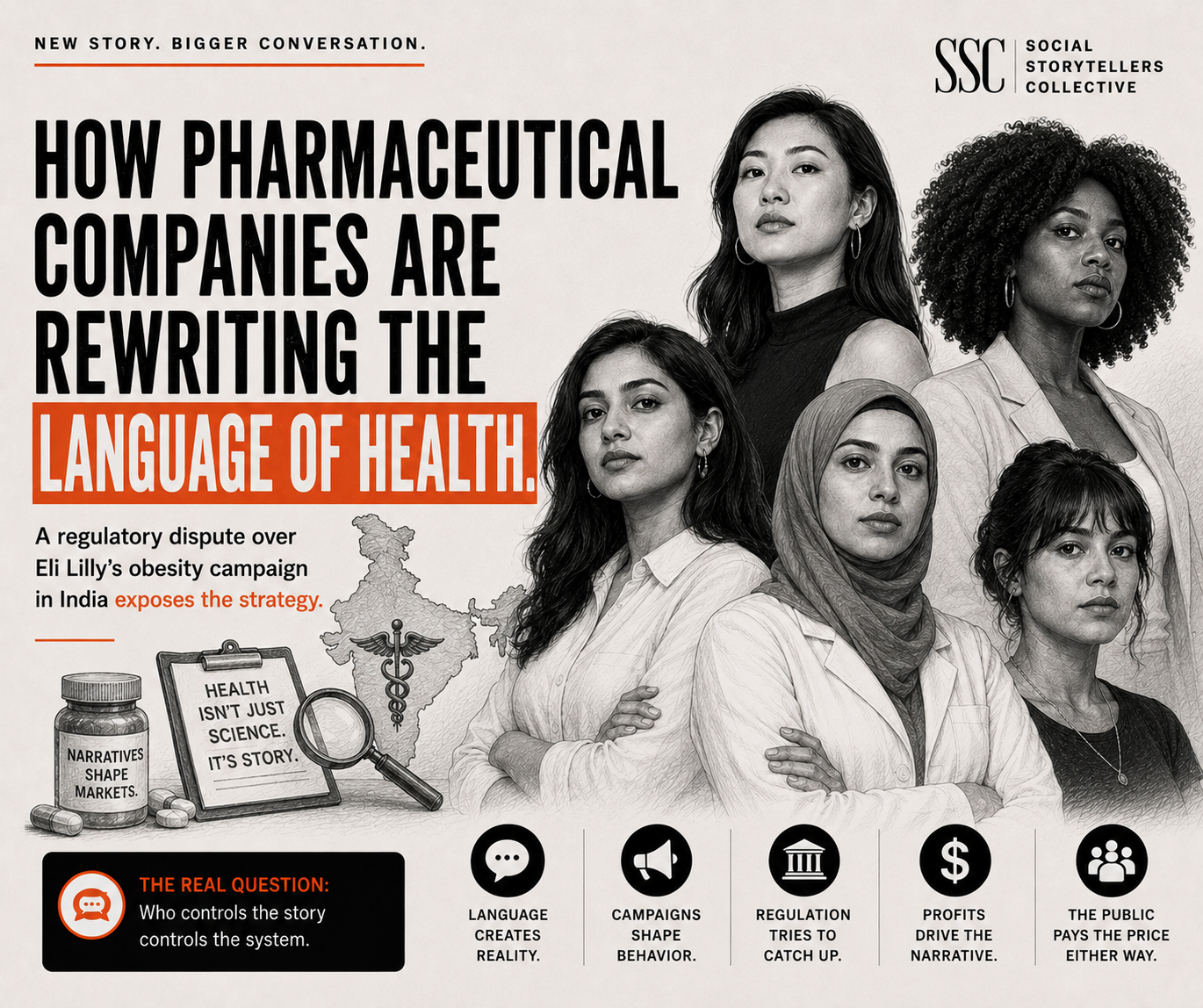
The campaign never explicitly named Lilly’s blockbuster GLP-1 treatment Mounjaro, but Indian regulators reportedly questioned whether the educational messaging effectively functioned as market conditioning ahead of broader obesity treatment expansion. The dispute arrives as pharmaceutical companies race to establish influence inside one of the world’s fastest-growing health markets.
India’s obesity treatment sector is projected to grow dramatically over the next several years, with some estimates placing the market near ₹80 billion by 2030. At the same time, obesity and metabolic disorders are becoming increasingly visible public health concerns across urban populations experiencing rapid dietary, lifestyle, and economic changes. Lilly’s campaign therefore emerged at the intersection of legitimate health education and extraordinary commercial opportunity. The ambiguity is precisely what makes the story important.
India represents a particularly consequential battleground because of its demographic scale and rapidly expanding middle class. The country’s digital infrastructure, telehealth adoption, and consumer technology growth create conditions where wellness messaging can spread rapidly across large populations. Companies competing inside the obesity treatment market are therefore not only selling medicine. They are competing to shape how emerging consumers define health, discipline, aging, and personal responsibility.
Pharmaceutical companies increasingly understand that modern health markets are shaped long before prescriptions are written. Public awareness campaigns, social media conversations, wellness influencers, employer health initiatives, and digital health platforms collectively influence how populations interpret their bodies, risks, and treatment expectations. By the time consumers ask physicians about a medication, the cultural groundwork may already be established. The commercial value of shaping perception can rival the value of direct advertising itself.
That strategy becomes especially significant in countries where traditional pharmaceutical advertising faces stricter regulations than in the United States. Educational campaigns allow companies to participate in cultural conversations surrounding health without explicitly naming products. Regulators, meanwhile, face the challenge of distinguishing between genuine public health engagement and indirect market expansion. Lilly’s conflict with Indian authorities reflects a larger global tension emerging around wellness commercialization.
Obesity treatment is no longer a niche medical category — it is becoming an economic variable with downstream effects across insurance, employment, and consumer spending. Employers, insurers, governments, fitness brands, and food companies are all recalculating how long-term GLP-1 adoption could alter consumer behavior, workforce health costs, and spending patterns.
Mainstream coverage may reduce Lilly’s regulatory issue to a technical advertising dispute, but the broader transformation is more structural. Pharmaceutical companies are increasingly operating not simply as drug manufacturers but as cultural actors participating directly in how societies interpret wellness itself. The real question raised by the India dispute is not whether awareness campaigns influence demand. It is how much influence corporations should have in defining the language populations use to understand their bodies in the first place.