
The Ja 4 is coming. Nike confirmed the next iteration of Ja Morant’s signature line through Morant’s own social channels — consistent with how the brand has handled every Ja 3 colorway drop, keeping the reveal intimate and parasocial, framed as something Ja is sharing with you personally rather than a corporation announcing a product. That framing is not accidental. It is the architecture of how Nike manages Black athlete signatures in 2026: close enough to feel like culture, distant enough to be managed as inventory.
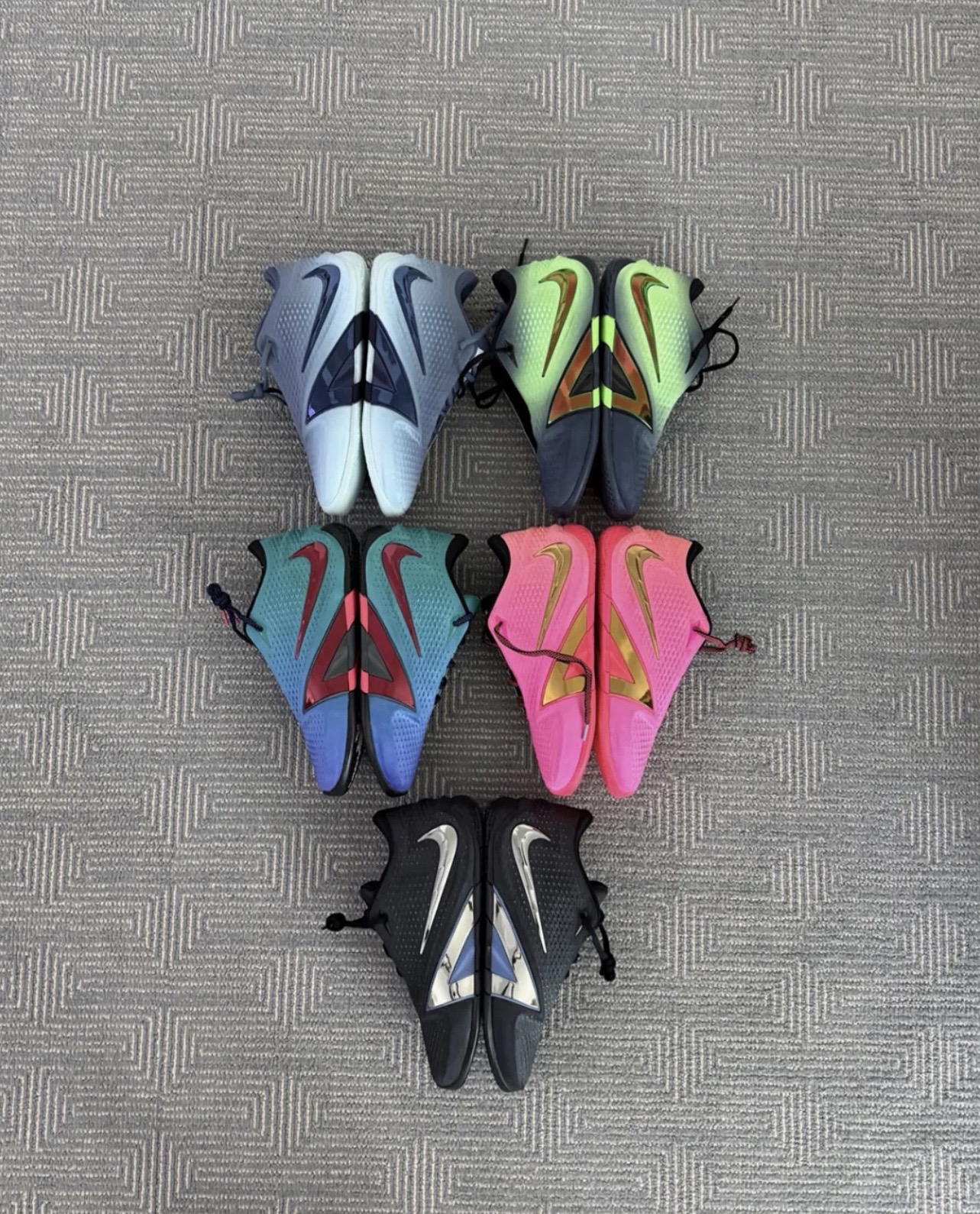
The shoe itself is a clean evolution. The reverse Swoosh at the heel carries over from the Ja 3, now joined by a new midfoot shank that extends toward the forefoot and spells out “Ja” when viewed from the side. Where the Ja 3 leaned on Morant’s signature logo across the upper, the Ja 4 introduces a diamond texture — a subtler, more refined surface that suggests the design team is maturing the line alongside the athlete. ZoomX cushioning, the first of its kind in a Nike Basketball signature when it debuted on the Ja 3, is expected to continue. Colorways teased so far include black, green, pink, and blue, plus what appears to be the returning “Scratch” motif that has appeared across every Morant signature to date. A release window of Fall 2026 is expected.
I grew up camping outside Foot Locker with my brother Deon for Jordan drops. Scarcity was the whole point — not just of the shoe, but of what the shoe said about you. Being first meant something. Being early meant you understood something others didn’t yet. Nike didn’t invent that feeling, but they perfected it, and for a generation of Black kids who built their identity partly around cultural fluency, the signature shoe was proof of membership. That history is worth naming before the critique, because the critique only lands if you understand what the brand actually sold us — and how well it worked.
The design conversation is straightforward. The commercial one requires more honesty. The Ja 3 sold through a suspension. The Ja 4 will launch into a market that has fully processed that fact and kept shopping — which is itself worth naming. Nike’s decision to continue, expand, and refine the line is not a statement about character. It is a statement about demand. Those are different things, and the consumer conflating them is part of how signature culture operates.
The brand has spent considerable energy recently suggesting that today’s Black NBA players have lost the cultural relevance needed to move product— an explanation that conveniently locates Nike’s two-year financial decline in the athletes rather than in the corporation’s own strategic failures. The Ja 4’s existence is the most direct rebuttal available. Nike does not build fourth iterations of signature lines for assets it considers depleted. The investment answers the argument. What the rollout makes clear is that Nike has never been confused about the difference between the athlete and the asset — and it is not confused now.
That distinction matters because of how the announcement was made. Early in my career I sat in strategy sessions where the explicit goal was engineering moments that would feel organic — manufacturing urgency, building the sense that something was happening right now and you needed to be part of it. The reveal of the Ja 4 through Morant’s personal channels is that session executed at scale. Morant’s voice, his relationship with his audience, his parasocial proximity to the people who wear his shoes — these are not incidental to the product launch. They are the launch. When a brand places its commercial logic inside a Black athlete’s relationship with his audience, it is making a claim about who controls that relationship. I’ve been in the room where that claim gets made. The answer, in this structure, is never the athlete.
Morant’s story — suspension, comeback, spectacular play when healthy, the permanent edge of unpredictability — is commercially legible in a way Nike understands precisely. The brand is not betting on his redemption. It is betting on the market’s appetite for the narrative of it. Those bets have been consistently correct, which is its own kind of verdict on what signature culture actually sells.
Whether you are buying the ZoomX cushioning or the comeback arc depends on who is shopping. Both groups will be in line this fall. Nike already knows that. The Ja 4 is proof they planned for it.