
Part of Culture in Motion — examining who defines culture, how it moves, and what it reveals about the moment.
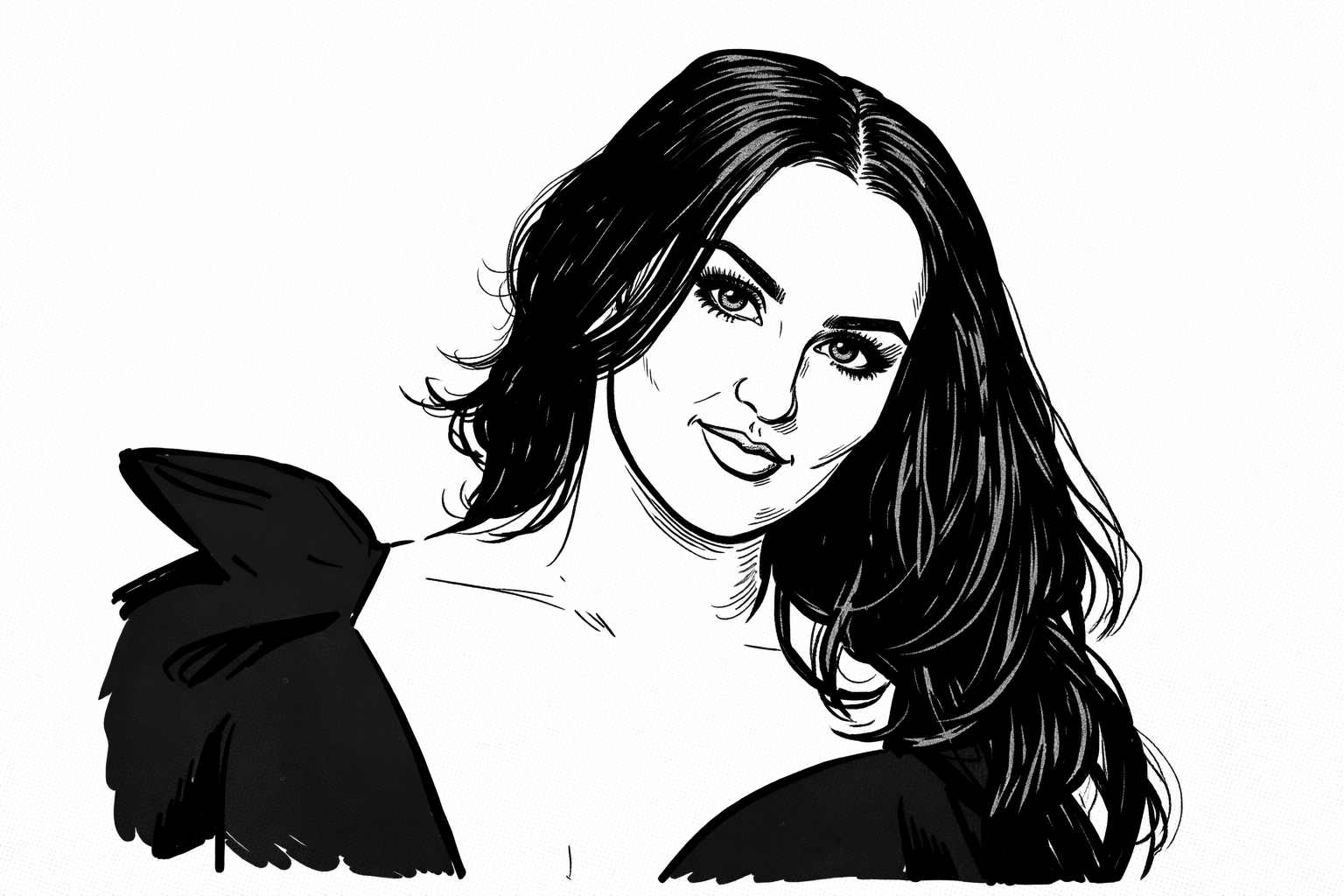
Mikayla Nogueira is not new to scrutiny, but this latest moment sharpens the stakes in ways the earlier cycles did not. After a clip from the Hannah Montana 20th anniversary premiere went viral, her appearance became the center of a familiar accusation. Viewers compared how she looked in the footage to how she presents herself in her own content and returned, quickly and confidently, to the same claim that has followed her for years: filters, editing, manipulation. The implication was immediate and decisive. What she shows online cannot be trusted.
Her response was direct and visibly exhausted. She denied using filters and pushed back on what she framed as a years-long pattern of the same accusation surfacing and resurfacing. But what stands out is not just the denial itself. It is her recognition that this particular fight can no longer be won on evidentiary grounds. In a digital environment where everything is assumed to be alterable — where the tools to manipulate are assumed to be always in use — proof has lost its authority. Even if she were to present unedited footage, the doubt would remain. Not because the evidence would be insufficient, but because the interpretive framework has already shifted. The verdict arrives before the evidence is weighed.
That shift has fundamentally changed the relationship between creator and audience — and it did not happen in isolation. Influencers built their platforms on the premise of controlled visibility: curated lighting, deliberate angles, selective editing, a version of themselves that felt intentional and consistent even when it was not fully candid. Audiences accepted this for a time, at least implicitly. But they have adapted. They now position themselves not as passive viewers but as active interpreters — even investigators — cross-referencing clips, cataloging perceived inconsistencies, and asserting their own conclusions about what is real with a confidence that rivals or exceeds the subject’s own account of herself. In that process, control over one’s image begins to move outward, away from the person it belongs to.
What emerges from this dynamic is not simply criticism. It is something closer to image repossession. The audience is no longer reacting to how someone presents themselves. They are attempting to define that person’s appearance independently, to establish a competing truth, and to do so with more authority than the person whose face is actually being discussed. The language accelerates that process. The conversation moves quickly from questioning accuracy to assigning value — from whether something looks different to whether it looks acceptable. Words like “hideous” are not descriptions of a discrepancy. They are verdicts. And they reveal that the conversation was never really about filters at all.
This is why the moment cannot be reduced to one influencer’s image management crisis. It surfaces a broader and more structural instability in how identity is built, contested, and contested again online. Visibility no longer guarantees authority over one’s own representation. Being widely seen does not mean being believed. And in that space, authenticity is no longer something a person demonstrates through consistency or transparency. It is something an audience grants or withholds, on terms the subject did not set and cannot renegotiate. Once that power moves outward — once the right to define someone’s appearance becomes a collective exercise — the central question is no longer what is real. It is who gets to decide, and whether the person at the center of the conversation ever had that power to begin with.