
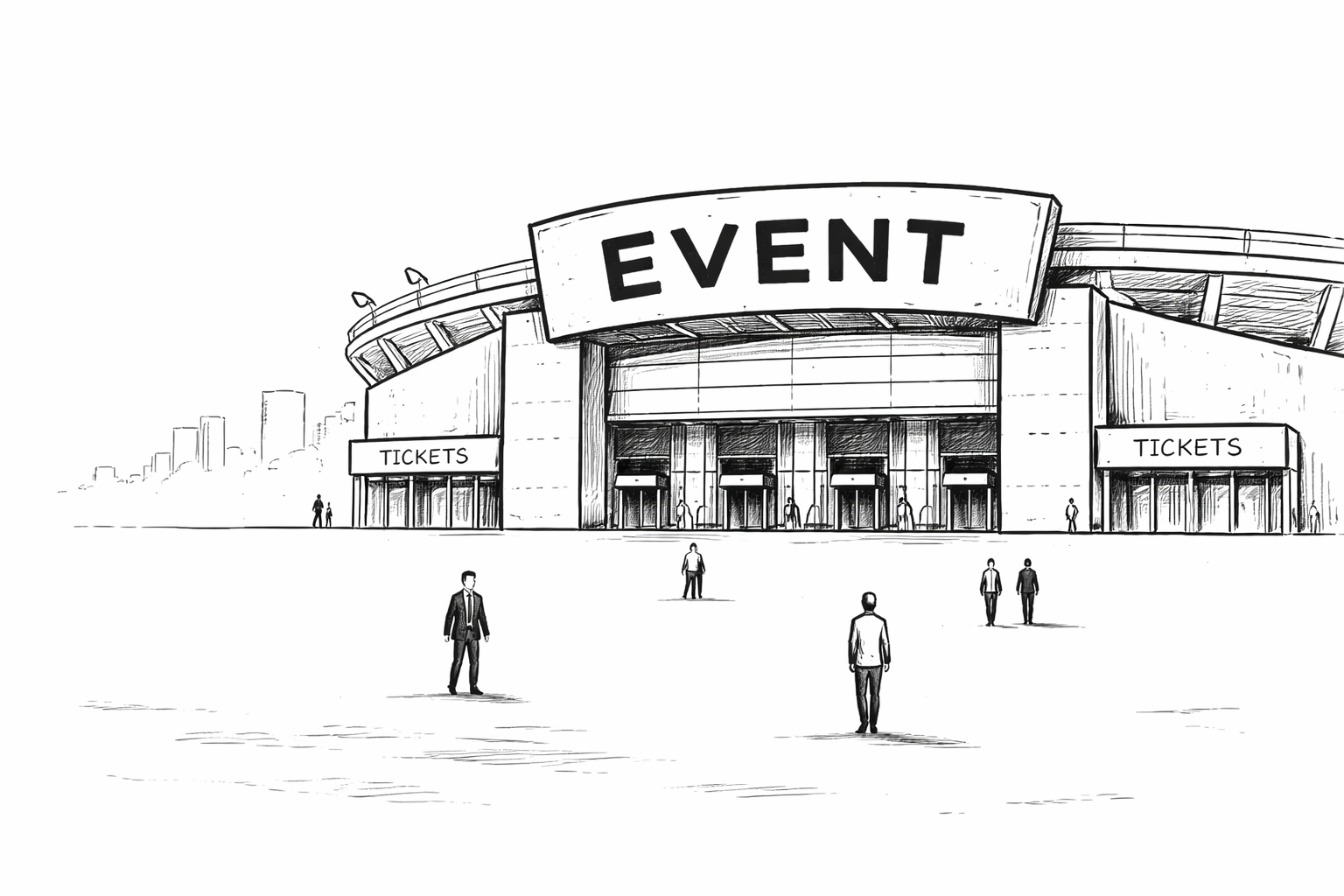
With less than three months before the next World Cup tournament begins, early indicators suggest the anticipated economic boost may not materialize as expected. Hotel bookings in host areas are reportedly trailing not only projections, but even typical seasonal demand from the previous year—when no major global event was scheduled.
For decades, events like the World Cup have been treated as near-guaranteed economic drivers. Cities invest heavily in infrastructure, staffing, and promotion under the assumption that global attention will translate into tourism revenue. That assumption is now facing new scrutiny.
According to industry tracking from STR, forward hotel bookings in some host markets are pacing below prior-year levels for the same period—an early signal that demand may not be scaling in line with expectations. At the same time, average daily room rates in major U.S. cities have risen more than 30% compared to pre-pandemic levels, based on data from CoStar Group, increasing the overall cost of travel for potential visitors.
Several factors may be contributing to the slowdown. Rising travel costs, broader economic uncertainty, and shifting consumer behavior are all affecting how and when people commit to large-scale international trips. Increasingly, travelers are waiting longer to book—or opting out altogether.
There is also a growing question of saturation. In a media environment where global events are more accessible than ever through streaming and digital coverage, the urgency to experience them in person may be diminishing. What once felt like a once-in-a-lifetime trip can now be followed in real time from anywhere.
The implications extend beyond tourism. Cities and organizers may need to reconsider how they model the economic impact of major events, particularly as upfront costs continue to rise. As outlined in “What Doesn’t Make It Into the Cart” , consumer decision-making is becoming more selective—reshaping not just grocery baskets, but travel, entertainment, and discretionary spending overall.
The World Cup is still expected to draw global attention. But early signals suggest that attention alone may no longer be enough to guarantee the economic return cities have long relied on.
Why This Matters
This isn’t just about one event—it signals a broader shift in how demand works. For decades, attention reliably translated into participation, but that connection is weakening as consumers become more selective, cost-aware, and less likely to convert interest into action. A gap is emerging between engagement and commitment: people may still watch, but they are more deliberate about when participation is worth it. The implication extends across industries built on visibility—exposure is no longer the same as turnout. Increasingly, people are choosing more carefully what they opt into, and what they leave behind.