
Part of Social Storytellers Collective’s ongoing coverage of culture, identity, and modern narratives.
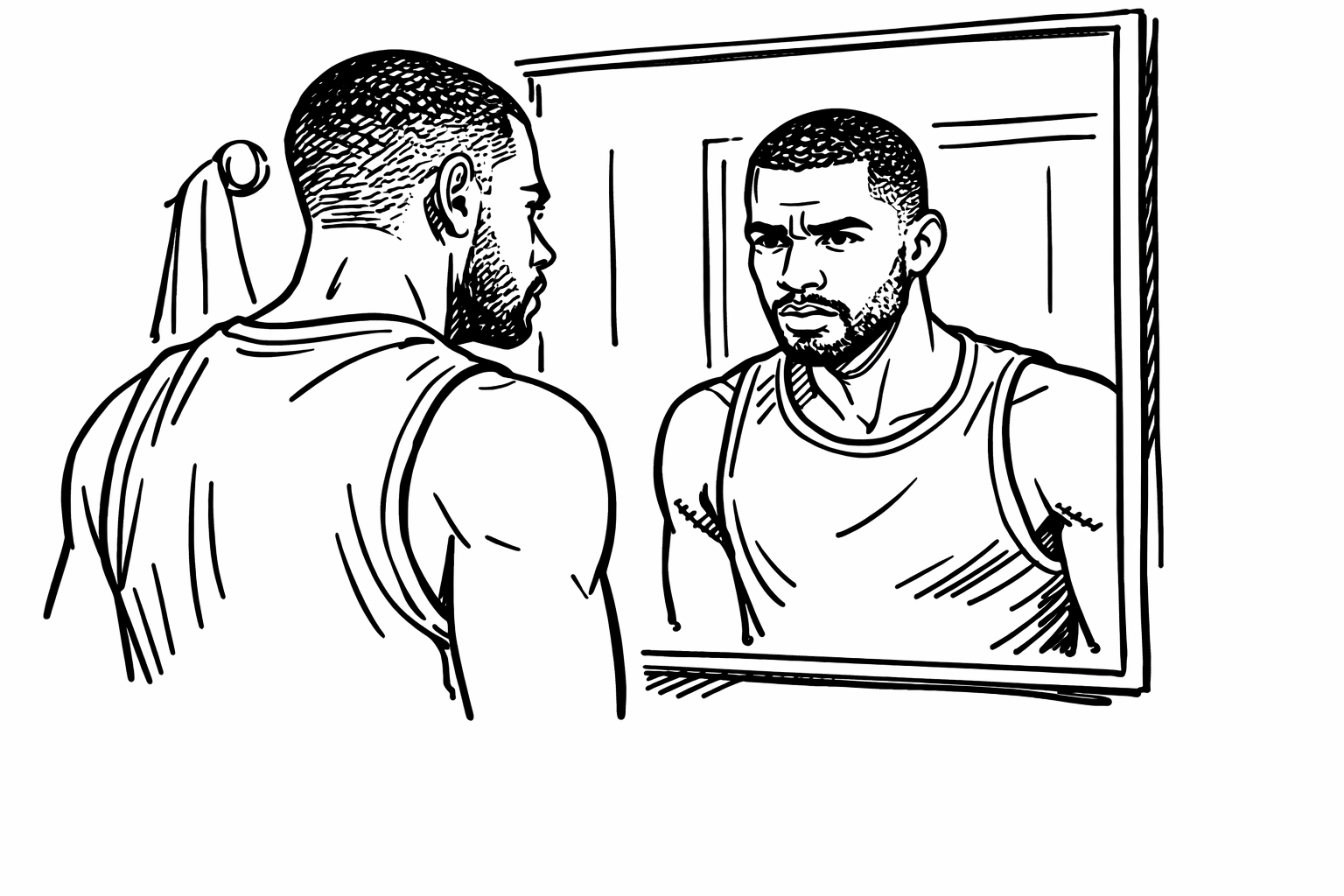
Growth is one of those words that carries almost no weight anymore. It appears on LinkedIn bios, in therapy shorthand, in the language of people who have just returned from a retreat or ended a relationship or changed careers. We use it to describe forward movement — and we almost always describe it as positive.
What we talk about far less is what it actually feels like from the inside.
According to Harvard Business Review, identity transitions are among the most psychologically disruptive phases in adult development. Not because something is going wrong, but because something is changing — and the self, it turns out, does not update cleanly. It resists. It mourns. It takes longer than anyone expects.
The disruption rarely arrives from outside. More often it’s internal — a quiet erosion of fit. The version of yourself that once felt clear and defined begins to shift. Roles that felt natural start to feel borrowed. Habits, environments, even certain relationships that once provided structure begin to feel slightly off, like furniture arranged for a room you no longer live in. Nothing is obviously wrong. Something is simply different.
Part of what makes this disorienting is how identity actually gets built. It accumulates through repetition — through showing up the same way, being known for the same things, occupying the same roles over time. That consistency creates stability. It also creates expectation, from others and from yourself. When those patterns begin to change, the experience can feel like loss, even when what’s being lost no longer fits.
This is the part of growth that doesn’t make it into the highlight reel. It requires not only building something new but releasing something that is no longer aligned — and that release is rarely clean or immediate. There is a period, often longer than expected, where you are no longer fully connected to who you were but not yet settled into who you are becoming. You are operating without the clarity you used to have. And that absence of clarity can be easy to misread.
It can feel like uncertainty. Like inconsistency. In darker moments, it can feel like regression — like you are somehow moving backward when everyone around you seems to be moving forward. What it usually is, though, is transition. The disorientation isn’t a sign that something has gone wrong. It’s a sign that something is actually changing.
What returns, eventually, is a different kind of clarity. Less attached to fixed roles, less dependent on how others have known you. More shaped by an internal understanding of what aligns and what doesn’t — what to carry forward and what to set down. The stability that emerges on the other side of a real identity shift tends to feel quieter than what came before. Less performed. More grounded.
But you don’t get there without moving through the middle of it. And the middle is where most people get stuck — not because they aren’t growing, but because growth, in that phase, doesn’t feel like growth. It feels like uncertainty with no clear end date.
That’s usually how you know it’s real.