
There is a moment in many people’s financial lives when a quiet realization begins to surface. Working harder does not always lead to getting ahead. Promotions may come. Income may rise. And yet the feeling of long-term security can still remain just out of reach.
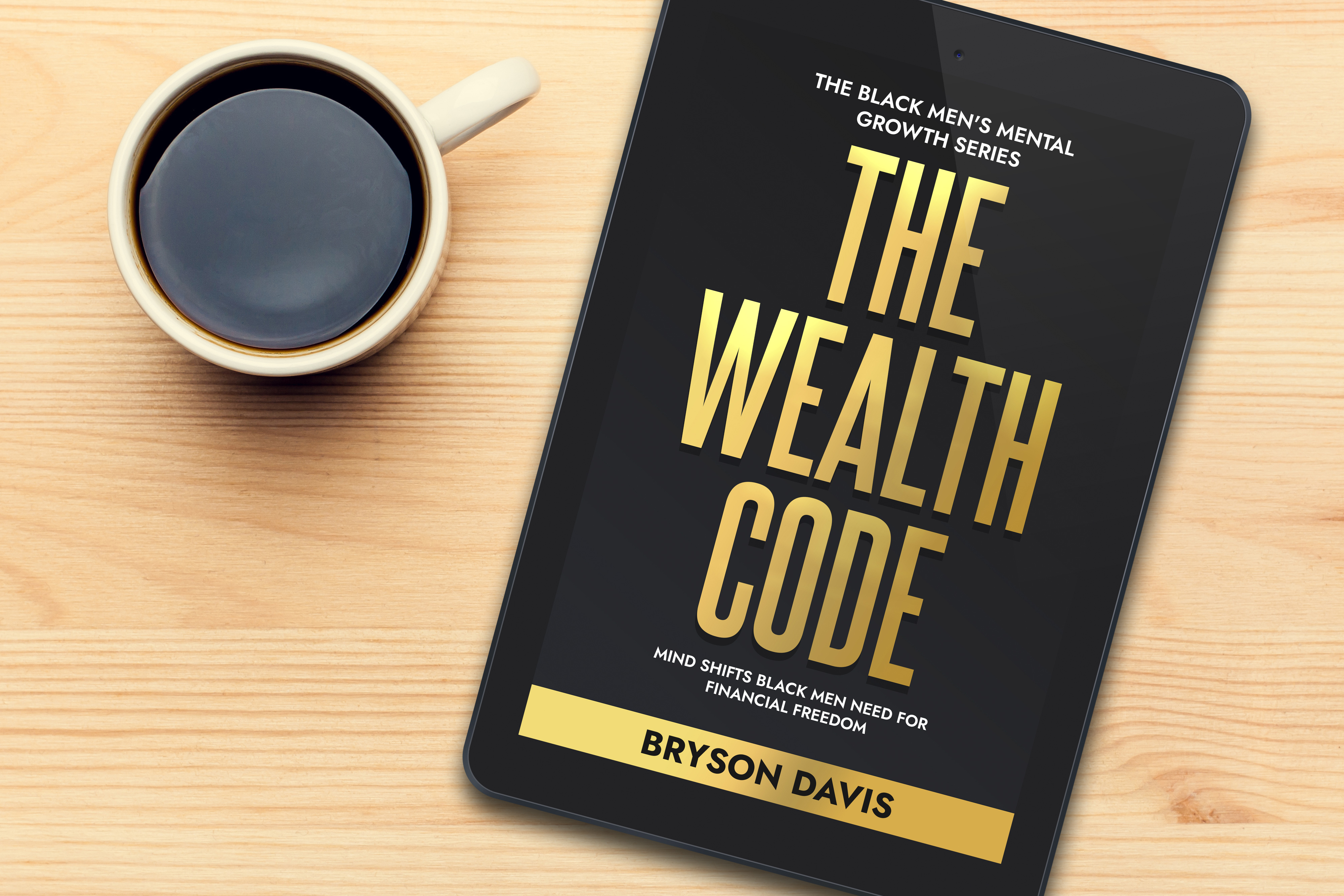
In The Wealth Code, I explore the tension between perception and reality in how wealth is built. Wealth is rarely accidental. It follows patterns—shaped by mindset, ownership, strategy, and long-term thinking.One of the book’s central themes is that wealth begins with perspective. Many people are taught to view money primarily as something to spend or something to survive on. Davis encourages readers to see money differently: as a tool that can be directed and multiplied when used intentionally.
“Wealth is not created by income alone. It is created by how intentionally money is positioned, protected, and allowed to grow over time.”
— The Wealth Code
Another major principle explored in the book is ownership. True financial mobility often begins when individuals move from simply participating in the economy to owning pieces of it. Ownership can take many forms—business equity, investments, intellectual property, or assets that appreciate over time. What matters most is control. When individuals own productive assets, money begins working for them rather than the other way around.
The book also emphasizes the importance of diversification. Relying on a single paycheck leaves individuals vulnerable to economic shifts that are often outside their control. Multiple streams of income—whether through entrepreneurship, investments, or digital ventures—create a layer of stability that traditional employment alone may not provide.
I also highlight the role of leverage in building wealth. Financial growth rarely comes from effort alone. It emerges when knowledge, networks, capital, and technology are used strategically. When I began to understand leverage, it became clear that expanding opportunity does not require multiplying exhaustion.
I place strong emphasis on legacy as well. Wealth is not only about what I accumulate in a lifetime, but what can be sustained and passed forward. Financial literacy, disciplined investing, and thoughtful planning allow prosperity to become generational rather than temporary.
Taken together, these ideas form what I describe as the “code.” It is not a secret formula or a promise of overnight success. It is a framework—one that helps me understand how wealth moves, how it grows, and how it can be built intentionally over time.
Bryson Davis is a writer and entrepreneur whose work explores personal growth, financial literacy, and the mindset behind long-term success. He is the author of The Wealth Code, a book examining the principles that shape how wealth is created, protected, and passed forward. Through his writing and speaking, Davis encourages readers to approach financial independence not as luck, but as a discipline rooted in knowledge, strategy, and intentional decision-making.