

End of Day Closing Note | Thursday, June 11, 2026
The Machine Is Not Replacing You. It Is Reorganizing You.
Today: algorithms absorbing management decisions, infrastructure costs transferring to communities, geographic returns concentrating in AI-ready cities, record satisfaction numbers masking who the economy is leaving behind, and the cost of housing outpacing the workers who build it.
Artificial intelligence is not arriving as a dramatic replacement event. It is arriving as a reorganization — of who manages workers, of which cities capture the returns, of which infrastructure absorbs the costs, of which educational institutions decide who leads the next economy, and of who the aggregate numbers are actually describing.
The workers at Walmart are still employed. The power over their next action has moved to an algorithm. The data centers are being built. The communities hosting them are paying for the grid upgrades that make them possible. The cities attracting AI companies are becoming ecosystems. Job satisfaction just hit a 39-year high — among the workers already insulated from the pressures pulling it down. And Spelman College made a decision this week about which side of the AI divide it intends to occupy before the divide widens further.
Growth is still happening. The question today’s edition keeps asking is who designed the system doing the reorganizing — and whether the people being reorganized had any say in the terms.
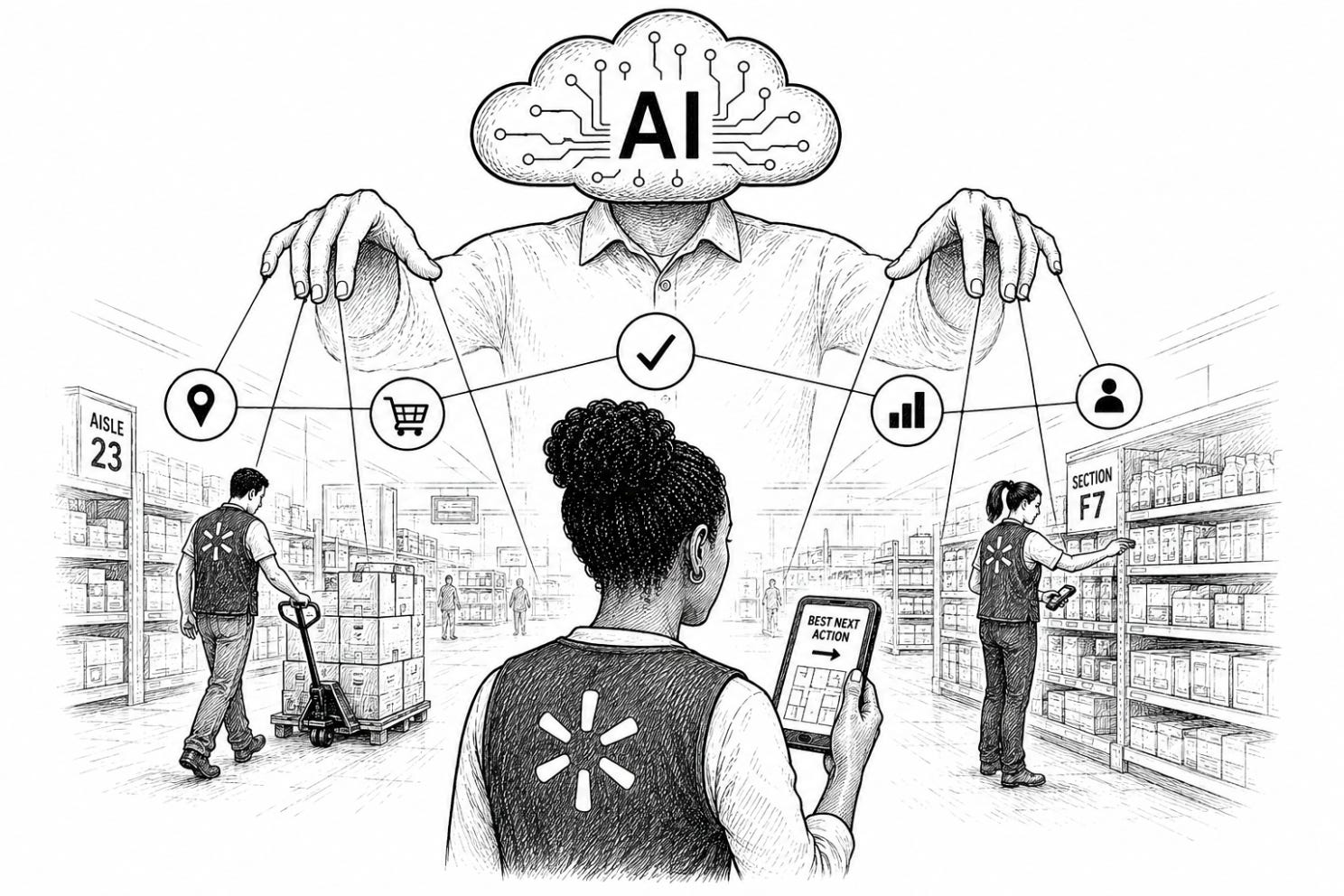
Walmart told the world something important at its 2026 Associates Week in Bentonville that most coverage missed: approximately 1.3 million U.S. associates now carry AI-powered devices that surface the best next action, display store layouts, and guide workers through their shifts in real time. The technology is framed as a productivity tool. What it actually is: the algorithm is the new manager. The worker executes. The company captures the efficiency. Walmart President and CEO John Furner acknowledged that agentic commerce remains in its early stages — meaning 1.3 million workers are already inside a management system whose long-term design is still being determined. SSC reported on how the automation economy is arriving not through one dramatic announcement but through 1.3 million small recommendations that quietly reshape how people work every day.
Data center electricity consumption is projected to approach 1,050 terawatt-hours globally this year — enough to make data centers, if counted as a country, the fifth largest energy consumer on earth. U.S. data center energy use could reach 12% of all national electricity consumption by 2028. A data center can be built in 12 to 24 months. Expanding the electrical grid to support it can take a decade. Microsoft is restarting Three Mile Island. Amazon has purchased a nuclear-powered campus in Pennsylvania. The companies large enough to build private energy infrastructure are securing power outside the public grid entirely. SSC examined why the grid is the constraint — and why the people paying to upgrade it are not the people who will own what gets built on top of it.
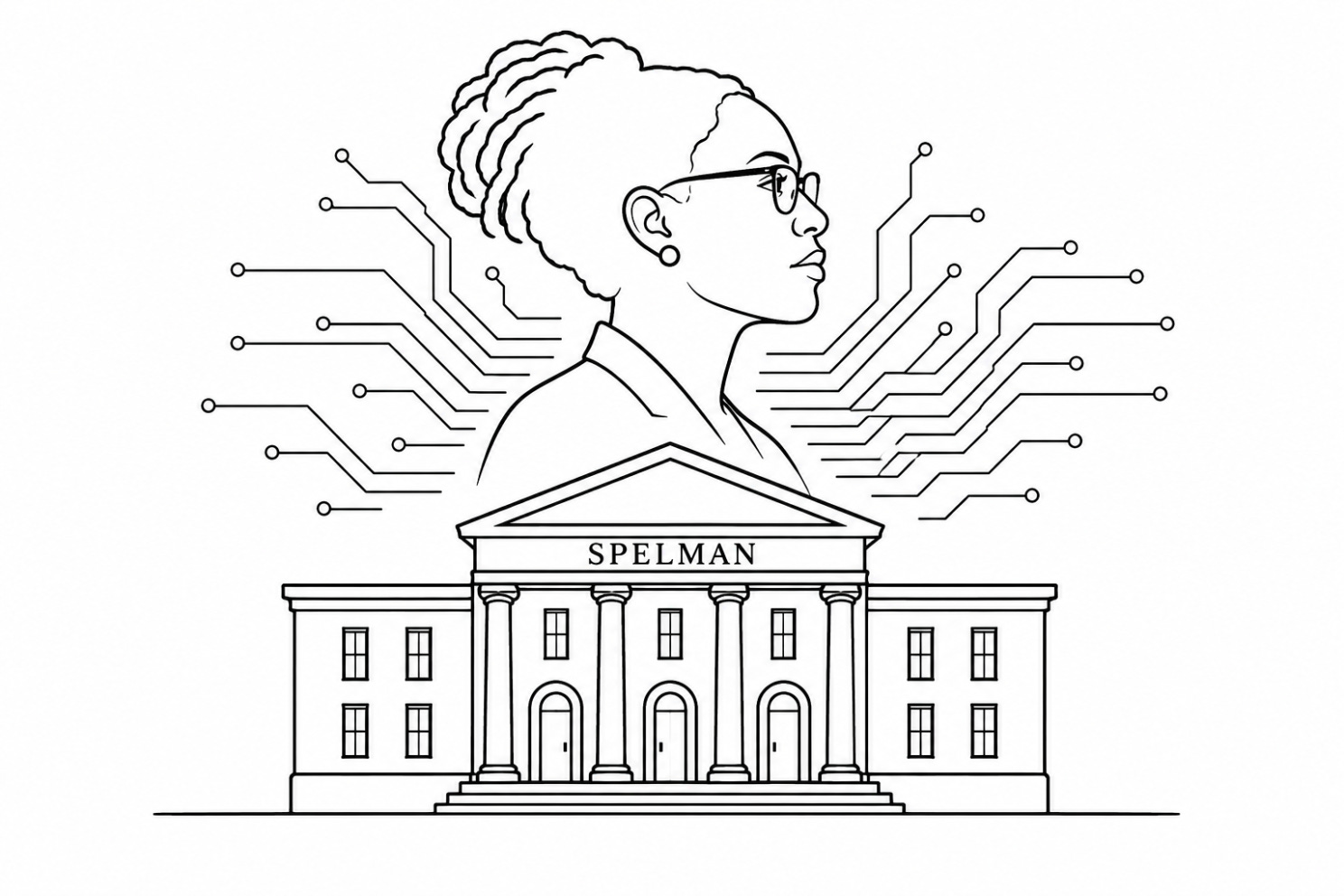
Spelman College announced this week that it has selected roboticist, entrepreneur, and former NASA engineer Dr. Ayanna Howard as its 12th president, effective August 1. The decision looks like a presidential appointment. What it signals is a strategic bet about which institutions will occupy the rooms where artificial intelligence is designed, regulated, financed, and deployed. HBCUs have historically expanded access to systems that excluded Black Americans. The challenge now is different — access to technology matters, but access to leadership matters more. SSC reported on why the AI race is also an education race, and why Spelman just entered it at the level where the decisions get made.
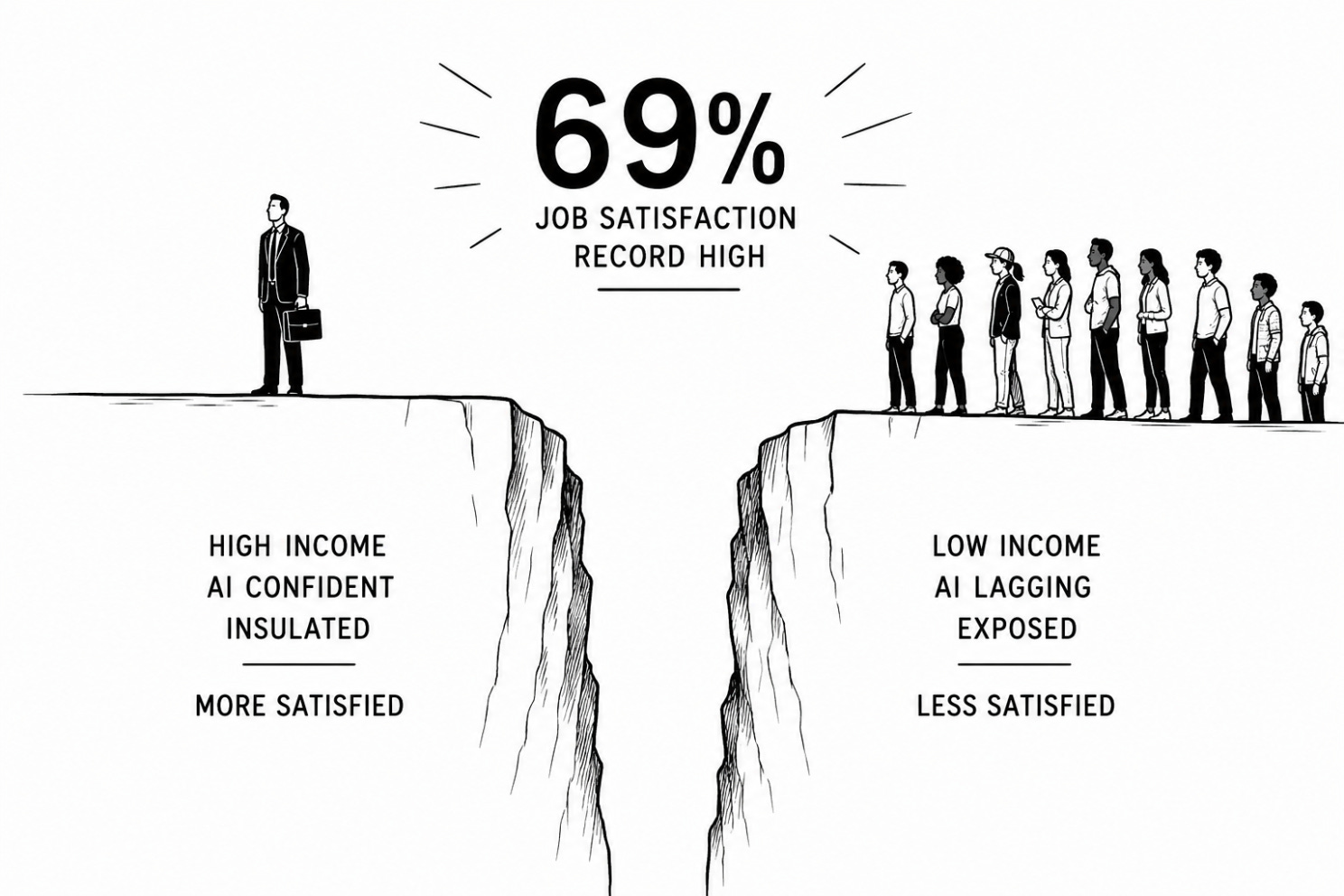
The Conference Board released its annual job satisfaction survey on June 2 with a headline number that looks unambiguously good: 69% of U.S. workers are satisfied with their jobs overall — the highest level in the survey’s 39-year history. The aggregate measure is doing a lot of work. Satisfaction with individual job elements averaged just 59%. Overall satisfaction ranges from 45.3% among workers earning under $25,000 to 76% among workers earning $150,000 or more. Workers under 25 were the only age group to experience a decline — a 5.7 percentage point drop at the exact moment the overall number hit its highest point. SSC examined why both numbers are true, and why they are describing the same labor market from opposite ends of it.
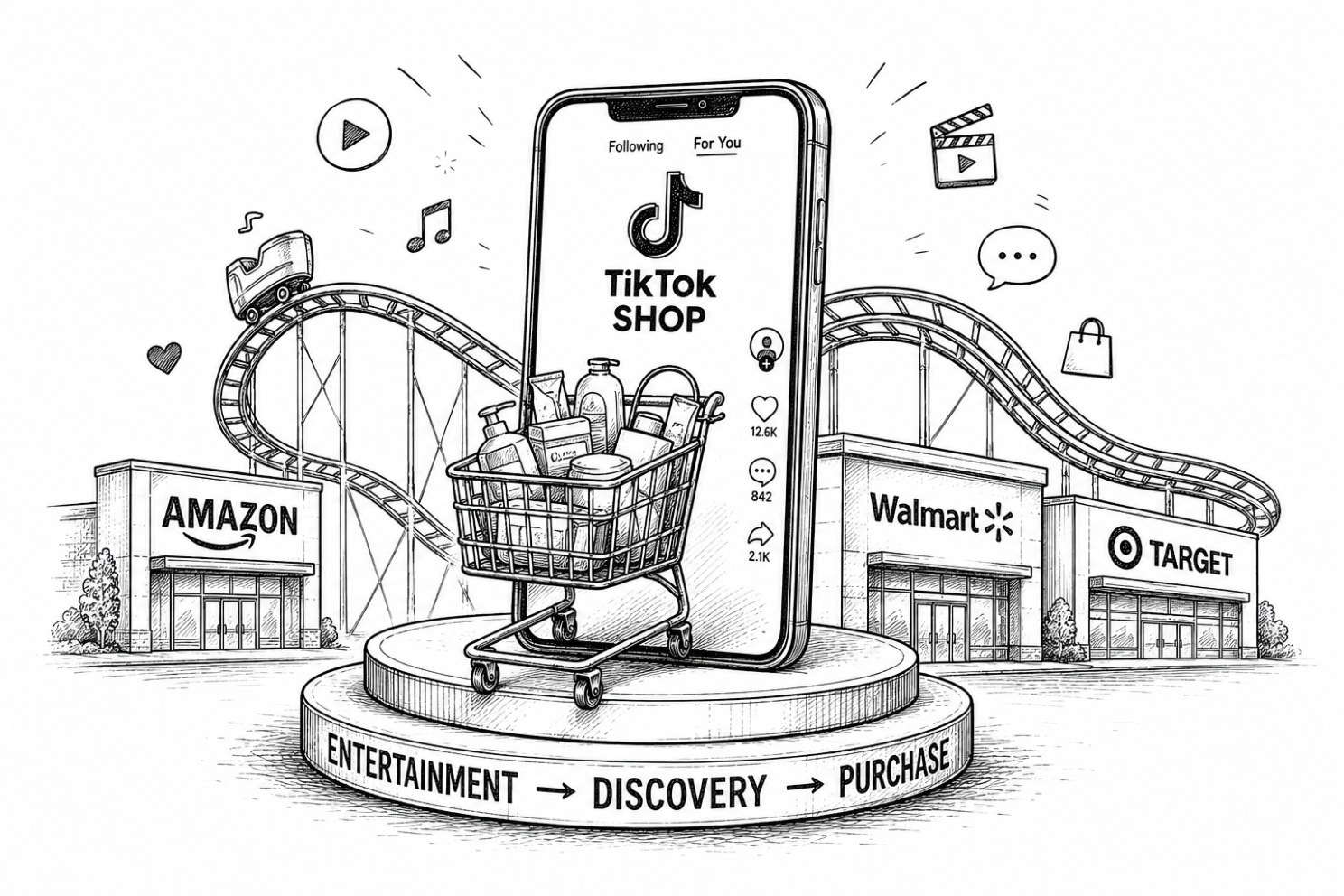
Digiday reporter Gabriela Barkho reported this week that TikTok Shop is now appearing in formal agency request-for-proposal documents alongside Amazon and Walmart as a dedicated commerce channel with committed budgets. Sales from companies generating more than $30 million in annual revenue on TikTok Shop grew 97% year over year. Transaction volume climbed nearly 80%. Traditional e-commerce assumes consumers decide they need something and then search for it. TikTok reverses the sequence — consumers discover something they did not intend to buy through entertainment, recommendation, or community participation, and only afterward become shoppers. SSC reported on why the algorithm is no longer organizing information — it is organizing demand, and the platform that controls demand before the purchase decision has already won.
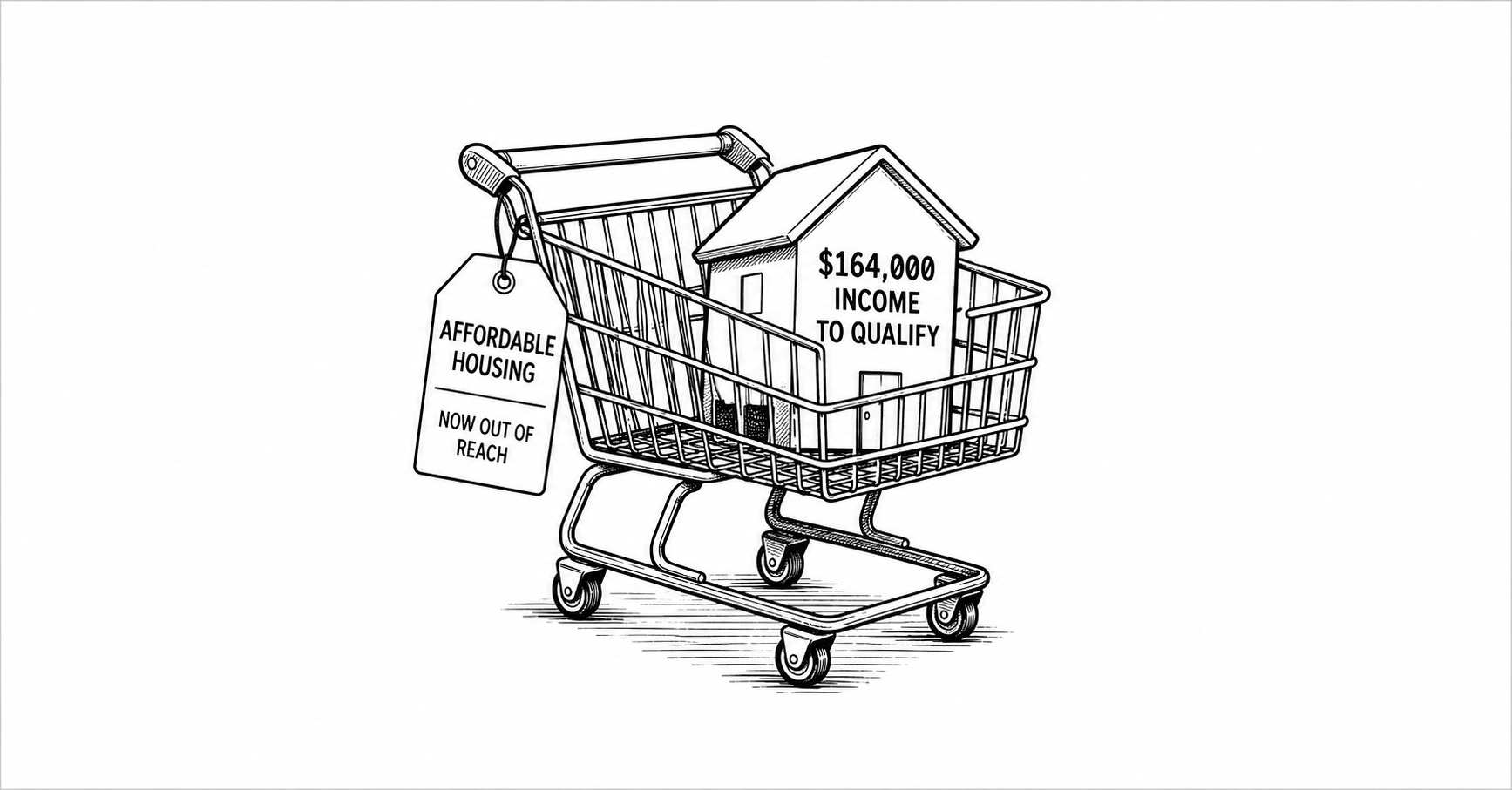
In Santa Clara County, 80% of Area Median Income for a four-person household is approximately $164,400. A household earning $164,000 a year is, by California’s own classification system, in need of housing assistance. The workers the Bay Area’s economy depends on to function — teachers, nurses, transit operators, service workers — sit well below that threshold and have been priced out of eligibility for programs that have themselves been priced out of reach of the people they were originally designed for. Miami-Dade County lost more than 10,000 residents between July 2024 and July 2025 as Palantir, Trinity Investments, and the founders of Google all relocated there. SSC examined why the cities recruiting billionaires are losing the workers who make them function — and why those two facts are the same decision.
The World Inequality Report 2026 finds that women globally capture just over a quarter of total labor income — a share that has barely shifted since 1990. In the same period, women’s educational attainment rose sharply, workforce participation increased across every major region, and legal frameworks in dozens of countries were rewritten to expand economic rights. The inputs changed. The output did not. Women work an average of 53 hours per week compared to 43 for men once domestic and care work is included. When unpaid labor is counted, women earn only 32% of what men earn per working hour — compared to 61% when unpaid work is excluded. SSC reported on why the difference between those two numbers is the economic value of the work the global economy has spent decades not counting.
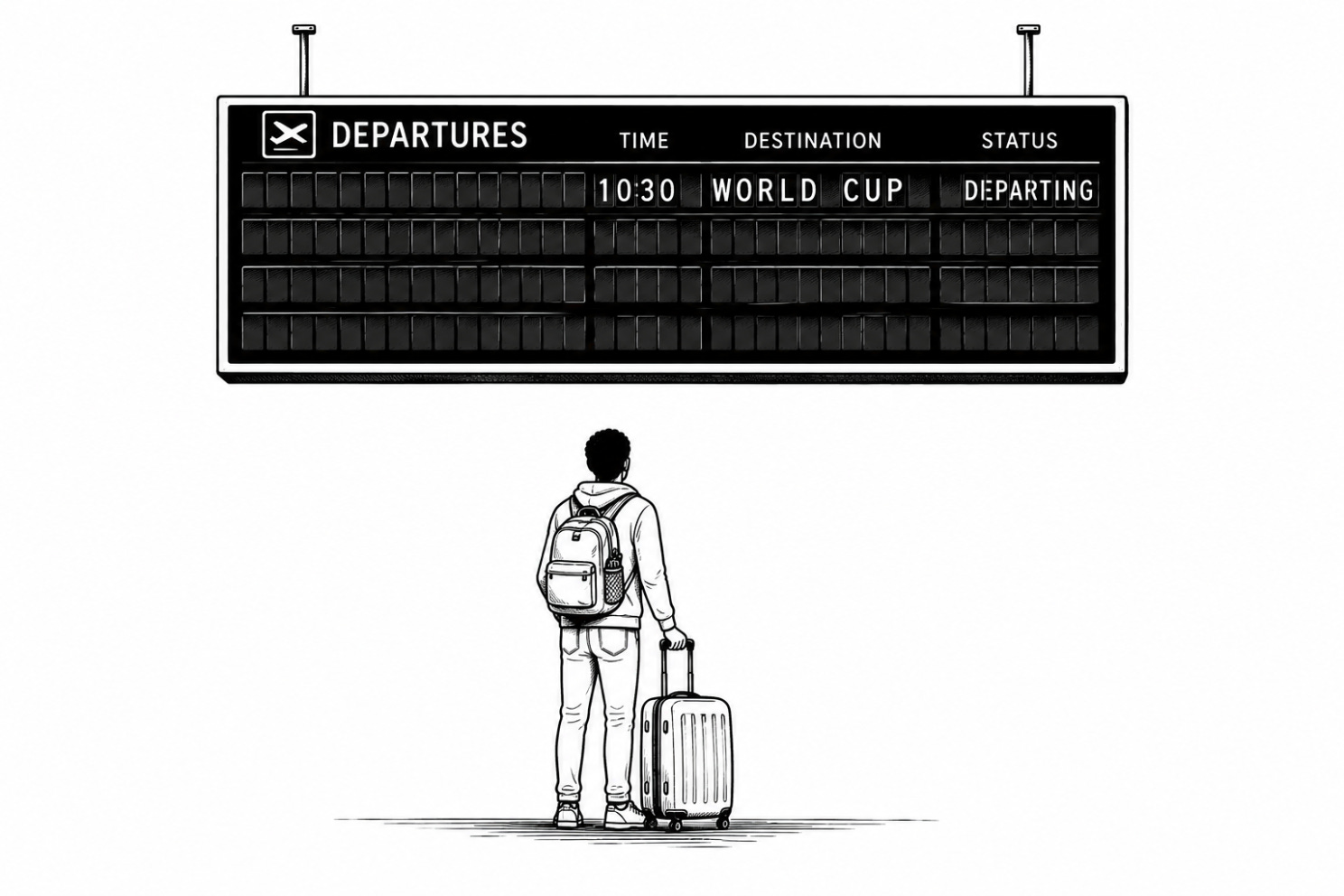
The 2026 FIFA World Cup opened Thursday in Mexico City — 48 teams, 104 matches, three host countries, 16 host cities. The most globally inclusive tournament in history, by design. Hotel bookings in host cities are running below early projections despite record global interest. Analysts tracking hospitality demand have identified visa uncertainty as the primary driver. Restaurants in Houston, bars in Philadelphia, hotels in Miami expanded staffing and inventory around crowds that are still being calculated. Those costs are fixed. The crowds are not. The tournament invites the world. SSC reported on why the border determines who can accept the invitation.
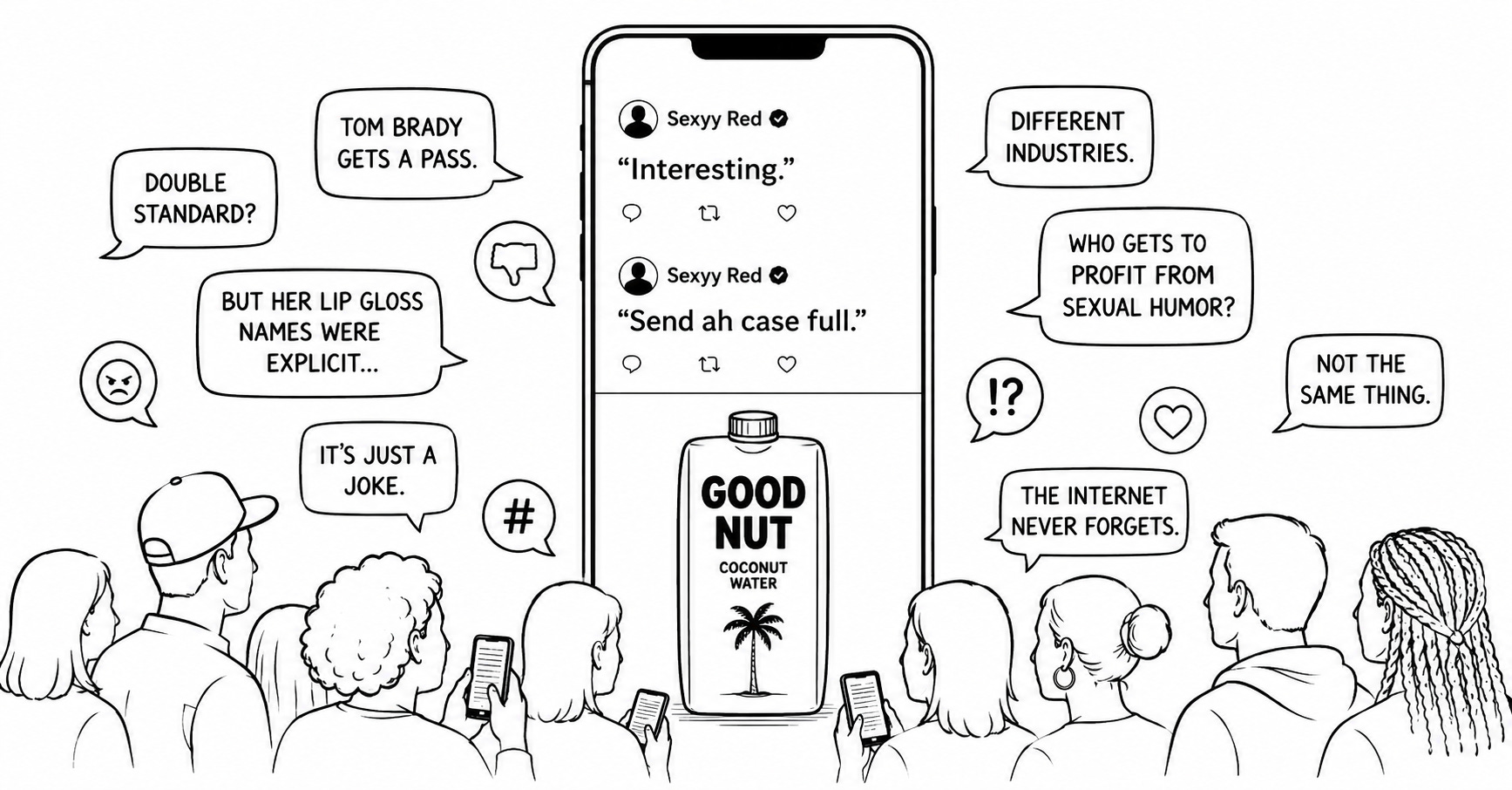
When Tom Brady’s new coconut water brand Good Nut circulated online this week, the reaction was predictable. Then Sexyy Red posted two words — “Interesting.” Minutes later: “Send ah case full.” Millions of views later, the comment sections had stopped talking about coconut water entirely. They were relitigating Sexyy Red’s own cosmetics line, whose product names drew criticism for explicit sexual references. The internet immediately asked whether one person was being held to a standard the other was not. We examined why online audiences don’t apply one fixed standard to anyone — they continuously renegotiate who gets to be provocative, who gets celebrated for it, and SSC reported on who is expected to carry the cultural cost when the joke lands differently depending on who made it.
The reorganization running through today’s stories is not new. It is the same mechanism operating at different speeds across different systems simultaneously. Algorithms absorbing management decisions. Infrastructure costs transferring to communities. An HBCU making a strategic bet about who leads the next economy. A record satisfaction number that describes the workers already at the top more than the workers holding everything else up. Cities recruiting capital while losing the workers who make them function. A global labor income gap that three decades of legal reform has not closed.
The system is not broken. It is working exactly as the incentives inside it were designed to produce. The question tomorrow’s stories will keep asking is the same one today’s did — whether the people absorbing the cost of how the system works had any say in how it was designed.
Daily Visual Signal
The Algorithm
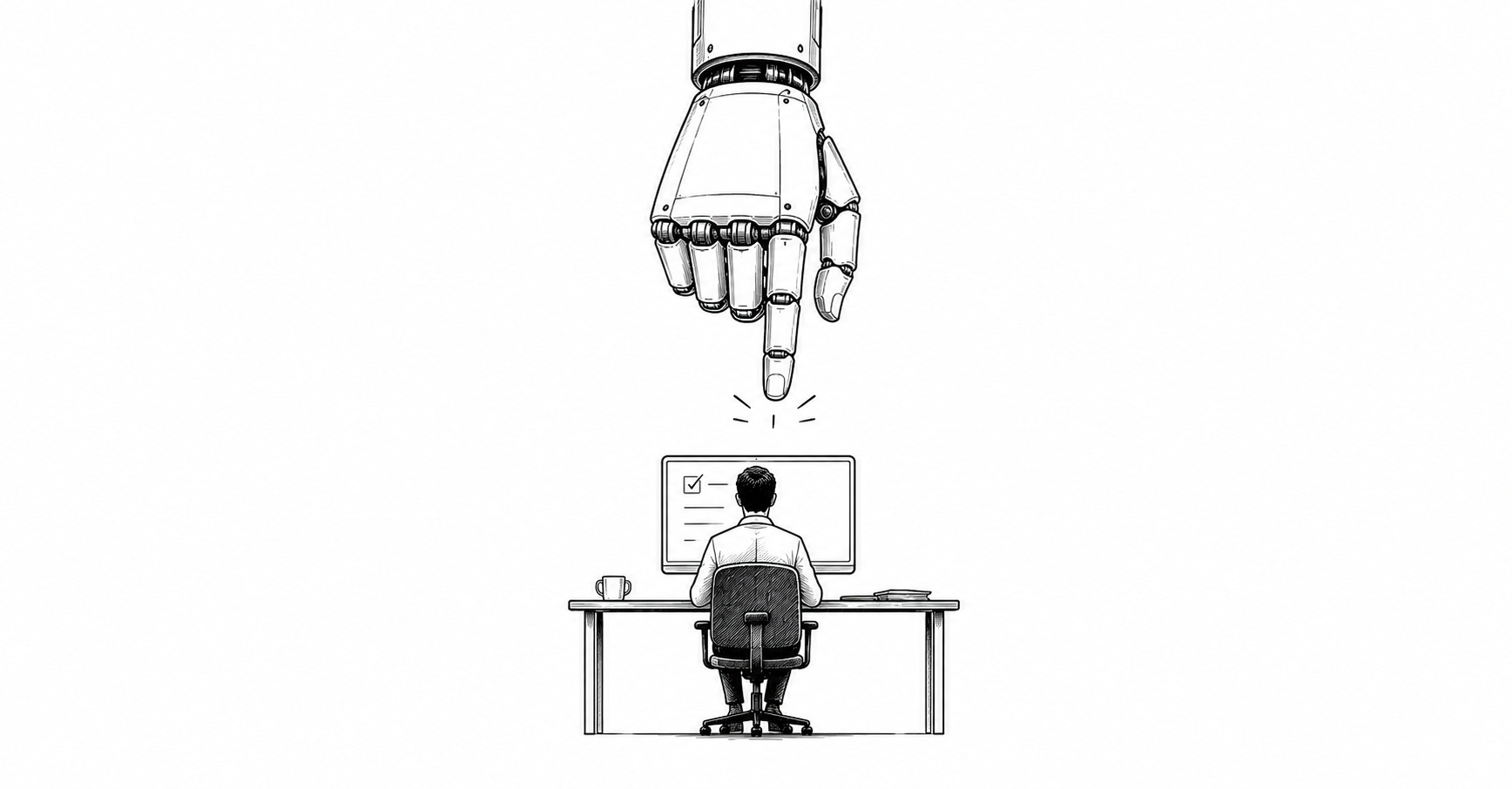
The Algorithm: A single figure at a workstation. Above them, a large mechanical hand — not threatening, just directing. Pointing to the next task. The worker is not being replaced. They are being told what to do next. One focal point. One relationship. Reads instantly.
Join the SSC Founding Reader Council
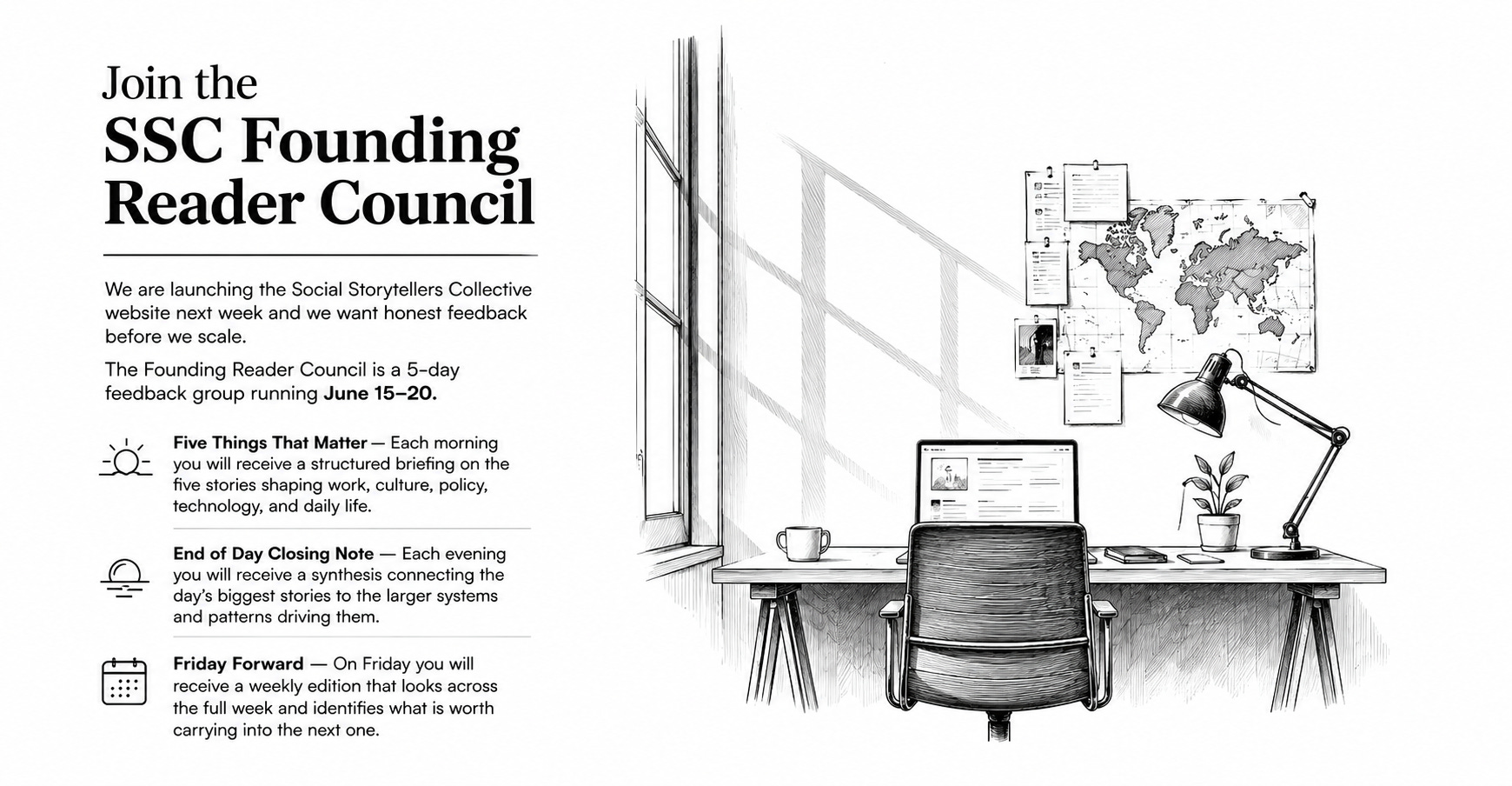
We are launching the Social Storytellers Collective website next week and we want honest feedback before we scale. The Founding Reader Council is a 5-day feedback group running June 15–20.
Each morning you will receive Five Things That Matter — a structured briefing on the five stories shaping work, culture, policy, technology, and daily life. Each evening you will receive the End of Day Closing Note — a synthesis connecting the day’s biggest stories to the larger systems and patterns driving them. On Friday you will receive Friday Forward — a weekly edition that looks across the full week and identifies what is worth carrying into the next one.
After each edition, a 60-second feedback form. That is all we are asking.
Subscribe: socialstorytellerscollective.beehiiv.com LinkedIn group: linkedin.com/groups/20390015
Get SSC analysis delivered to your inbox every day. Subscribe free on Beehiiv: socialstorytellerscollective.beehiiv.com